Politics and Local Government
Local government is the level of politics that touches your life most directly, yet it is often the one people understand least. Think of it this way: federal politics sets the course of the ship, provincial politics builds the hull, but municipal politics decides when your street gets plowed, how much your property taxes cost, and whether a new recreation centre opens in your neighbourhood. This pillar article offers a complete introduction to politics and local government, with a focus on how it works in Winnipeg, Manitoba, and how you can participate in it with confidence.
What Is Local Government and Why Does It Matter?
Local government is the tier of public administration closest to citizens. In Canada, municipalities are legally “creatures of the province,” meaning the Government of Manitoba grants Winnipeg its powers through legislation such as The City of Winnipeg Charter. That legal detail matters: it explains why a city cannot simply decide to create its own police force or set its own minimum wage without provincial approval.
Why should a busy Winnipegger care? Because roughly 90 percent of your daily interactions with government happen at the local level. The water you drink, the bus you take, the rink where your kids skate, and the fire hall down the street all fall under municipal jurisdiction. Local politics is less about ideology and more about practical trade-offs: every budget decision is a choice between competing needs.
- Roads and transit: Winnipeg Transit route planning, road repairs, and snow clearing priorities.
- Public safety: The Winnipeg Fire Paramedic Service and the Winnipeg Police Service budget.
- Water and waste: Drinking water treatment, sewer systems, recycling, and garbage collection.
- Parks and recreation: Community centres, libraries, and the upkeep of green spaces along the Red and Assiniboine rivers.
- Development: Zoning rules that decide what can be built, where, and how tall.
How Winnipeg’s City Government Is Structured
Winnipeg operates under a municipal council system led by a mayor. Understanding who does what is the first step toward making your voice count.
The Mayor
The mayor is elected city-wide and acts as the head of council, the chief spokesperson for the city, and a full voting member of council. The mayor sets much of the political agenda, proposes budget directions, and represents Winnipeg in dealings with the provincial government, the federal government, and other cities. Picture the mayor as the conductor of an orchestra: they set the tempo, but they cannot play every instrument alone.
The City Council and Councillors
Winnipeg council consists of the mayor plus 15 ward councillors, each elected by residents of a specific geographic ward, from Transcona to St. Norbert to Charleswood. Your ward councillor is your most accessible elected official. They sit on committees, vote on budgets and bylaws, and advocate for neighbourhood concerns like potholes, speeding traffic, or new development.
An analogy that works well: council is like a homeowners’ association for a city of 750,000 people, except the stakes involve hundreds of millions of dollars and legally binding bylaws.
Committees and Community Committees
Before most issues reach full council, they pass through standing committees such as Public Works, Water and Waste, and Property and Development. These committees study issues in detail, hear delegations from the public, and make recommendations. Winnipeg also uses community committees that bring councillors together for ward-level matters such as local street name changes. This committee system is where much of the real deliberation happens, and it is also where ordinary citizens can most easily be heard.
The Public Service
Behind elected officials stands the municipal administration: a chief administrative officer and departments staffed by professional planners, engineers, accountants, and clerks. Elected officials decide what to do; the public service executes how to do it within the law and the budget. Confusing these two roles is a common rookie mistake when filing a complaint — your councillor cannot fix a pothole, but they can direct your concern to the department that can.
Key Issues Shaping Local Politics in Winnipeg
Municipal politics in Winnipeg has recurring themes that dominate debates around the council table. Knowing them helps you interpret news coverage and election promises.
Infrastructure and the Repair Bill
Winnipeg’s harsh freeze-thaw cycles are brutal on roads, and the city faces a persistent infrastructure deficit — the gap between what needs repairing and what the budget can cover. Questions like “fix existing roads first or build new ones for growing suburbs?” appear in nearly every municipal election.
Snow Clearing and Winter Services
In a city where winter is a defining reality, snow removal is political. The priority system — major routes first, residential streets later — generates passionate debate every time a major storm hits. It is a perfect example of how a technical operations question becomes a democratic accountability issue.
Transit and Transportation
Decisions about Winnipeg Transit routes, rapid transit corridors, and active transportation paths for cyclists and pedestrians reflect deeper questions about how a sprawling prairie city should grow: around cars, buses, or denser, walkable neighbourhoods.
Property Taxes and Affordability
Winnipeg has historically kept property taxes low compared to other Canadian cities, but that creates tension: low taxes mean tight budgets, deferred maintenance, and difficult service trade-offs. Every budget season, council weighs the tax freeze appeal against the cost of maintaining services.
Reconciliation and Downtown Renewal
As a city with one of the largest Indigenous populations in Canada, Winnipeg’s municipal agenda includes reconciliation commitments, relationships with First Nations and Métis communities, and the revitalization of a downtown that has faced persistent vacancy and safety concerns.
How the Municipal Budget Works
The budget is where political talk becomes concrete. Winnipeg’s budget is prepared by the administration, reviewed by council committees, and adopted by council, usually following a public consultation period. The main revenue sources are property taxes, user fees (like recreation programs and water utility rates), and transfers from other governments.
- The city administration drafts a budget proposal based on departmental needs and council priorities.
- Standing committees review departmental budgets and hear public delegations.
- Council debates amendments and votes on the final document.
- The approved budget sets tax rates and service levels for the year.
Understanding this cycle lets you intervene at the right moment: appearing as a delegation at a committee hearing has far more impact than sending a complaint after the vote is done.
Elections and How to Vote in Winnipeg
Municipal elections in Winnipeg are held every four years under Manitoba’s municipal elections legislation. Residents vote for mayor, their ward councillor, and school trustees. To participate, you must be a Canadian citizen, at least 18 years old, and a resident of Winnipeg.
- Check your ward: Ward boundaries change periodically, so confirm which ward you live in before voting.
- Follow candidate platforms: Municipal campaigns focus on local issues — read candidates’ platforms on transit, taxes, and development.
- Consider advance voting: Advance polls and mail-in ballots make participation easier if you cannot vote on election day.
- Ask questions: Candidate forums in community centres are a direct way to grill future decision-makers.
How Citizens Can Participate Beyond Voting
Democracy between elections is where local government truly comes alive. Here are practical ways to get involved in Winnipeg’s civic life:
- Attend or speak at a committee meeting: Any resident can request to appear as a delegation on items within a committee’s mandate.
- Contact your councillor: A short, specific, polite email about a concrete issue gets real attention. Councillors track recurring constituent concerns.
- Use 311: Winnipeg’s 311 service logs potholes, missed collections, and streetlight outages — the data feeds directly into city operations.
- Join public consultations: Major projects like bus corridors or neighbourhood renewals require public input sessions where resident feedback genuinely shapes outcomes.
- Volunteer or join a local association: Residents’ associations and community committees amplify individual voices.
A useful rule of thumb: one well-informed citizen speaking at a committee meeting can shift a local decision. Municipal politics has a low barrier to entry precisely because the audiences are small and the officials are close by.
Frequently Asked Questions About Local Politics
What is the difference between a bylaw and a provincial law?
A bylaw is a rule made by a municipal council that applies only within the city’s boundaries, such as parking restrictions or noise limits. Provincial laws apply province-wide and can override municipal bylaws.
Who do I contact about a local problem: the mayor or my councillor?
Start with your ward councillor. They represent your neighbourhood specifically, and their offices are set up to route constituent issues to the right city department.
How do I find out what is being discussed at city hall?
City council and committee agendas are published online ahead of each meeting, and many meetings are streamed live or recorded, making it easy to follow issues you care about.
Final Thoughts: Local Government Is Your Government
Politics and local government can seem dry on the surface, but it is the machinery that shapes your street, your commute, and your community. Winnipeg’s system — a mayor, 15 ward councillors, committees, and a professional administration — is designed to translate neighbourhood concerns into city-wide decisions. The more you understand how that machinery works, the more effective you become at making it work for you. Start small: learn your ward, skim a council agenda, and remember that at the local level, your voice carries further than you might think.
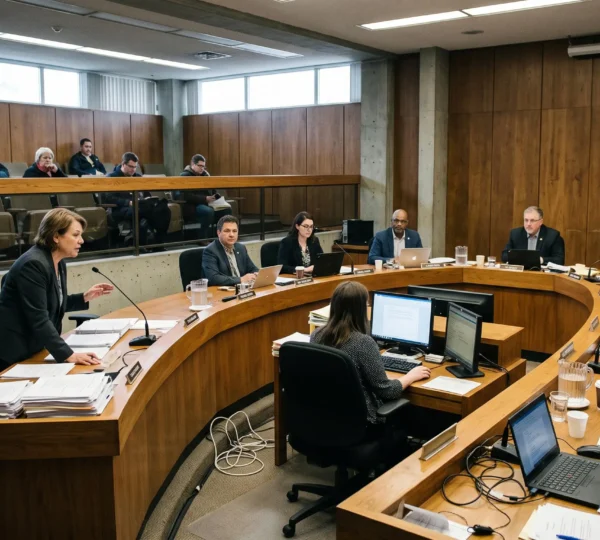
How Do Winnipeg Municipal Council Debates Turn Into Decisions That Affect Residents?
A debate at Winnipeg City Council can eventually change a property tax bill, determine which street gets repaired, influence a bus service or reshape a neighbourhood development. But the discussion itself is not necessarily the decision, and even an approved…
Read more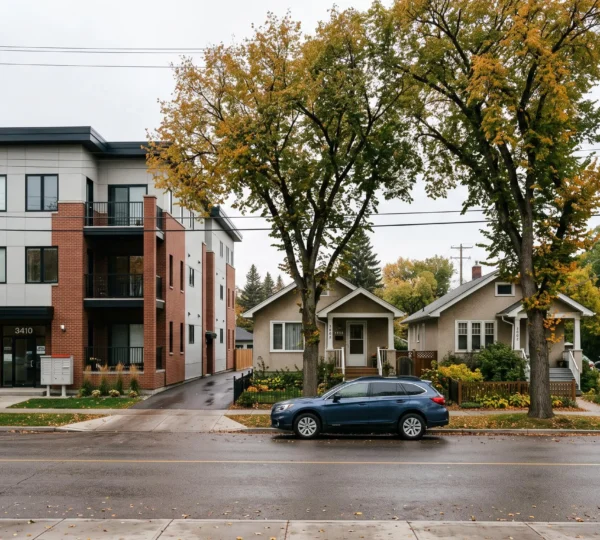
How Do Winnipeg Land Use Bylaws Affect Property Development and Neighbourhood Change?
Two properties in Winnipeg can have similar lot sizes, street access and market values but different development opportunities. The difference often comes down to zoning: municipal rules that determine which land uses, building types and development characteristics are allowed at…
Read more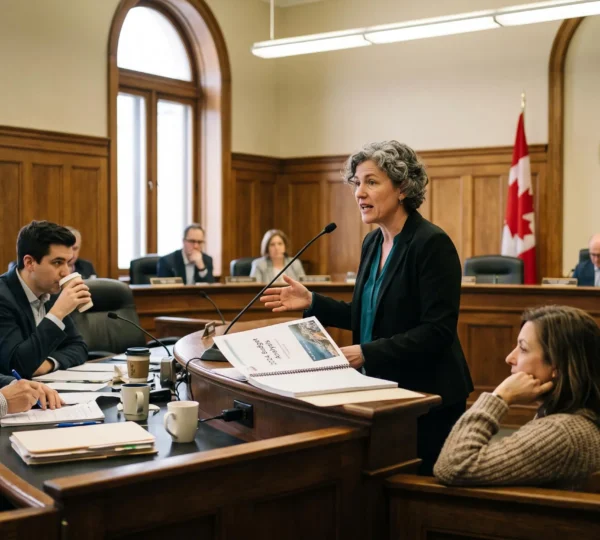
How Does Winnipeg Local Government Turn Civic Priorities Into City Decisions?
A road awaiting repairs, a proposed housing development, a change in transit service, or a higher utility bill may all raise the same question: who decided this, and how? In Winnipeg, municipal decisions emerge through a combination of public-service recommendations,…
Read more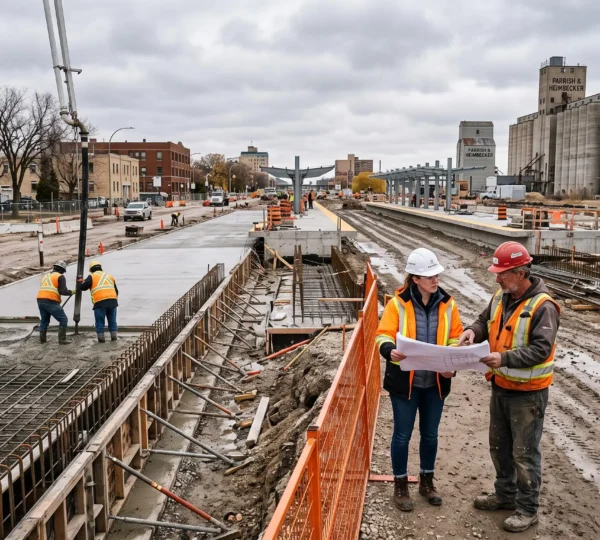
How Does Public Sector Investment Shape Winnipeg’s Long-Term Development?
Public sector investment shapes Winnipeg’s long-term development by financing infrastructure, supporting essential municipal services and influencing where households and businesses can grow. Roads, transit corridors, wastewater facilities and public amenities all affect the city’s economic capacity, but their benefits depend…
Read more