Sports and Community Life
If you have ever stood in a crowded arena in Transcona on a cold Saturday morning, coffee in hand, watching eight-year-olds chase a puck across the ice, you already understand what sports mean to Winnipeg. This city, and indeed much of Canada, does not simply play sports. It builds its neighbourhoods, friendships, and sense of identity around them. This pillar page is designed as a complete introduction to Sports and Community Life: what the concept really means, why it matters, how it works in practice here in Winnipeg, and how you — whether a lifelong local or a newcomer — can find your place in it.
What Do We Mean by Sports and Community Life?
At first glance, the phrase seems self-explanatory: people play sports, and communities exist. But the connection runs much deeper than that. Sports and community life refers to the way organized and informal athletic activity weaves itself into the social, economic, and cultural fabric of a place. Think of it as the difference between a road being simply pavement and a road being the route your kids take to school, the path where neighbours wave to each other, and the corridor that connects you to the rest of the city.
Sociologists sometimes describe amateur sports as a form of “social infrastructure” — the physical and organizational structures that create opportunities for people to meet, cooperate, and build trust. A hockey rink, a soccer pitch at Grant Park, or a baseball diamond in St. Vital is never just a facility. It is a meeting point, a classroom for life skills, and often the heartbeat of an entire neighbourhood.
- Social connection: Teams create regular, repeated contact between people who might otherwise never meet.
- Shared identity: Cheering for a local club gives residents a common story to tell.
- Skill development: Young athletes learn discipline, teamwork, and resilience that carry into school and work.
- Civic engagement: Parents who volunteer as coaches or fundraisers often become the same people who later sit on community centre boards or attend city council meetings.
Why Sports Matter So Much in Winnipeg
Winnipeg’s relationship with sports is shaped by its geography, its climate, and its history. Winters here are long and genuinely cold, which has made indoor facilities — rinks, field houses, curling clubs — essential gathering places rather than luxuries. It is no accident that the local community centre network is among the most extensive of its kind in the country, with dozens of centres spread across the city, many anchored by an ice rink that transforms into ball diamonds or soccer fields in summer.
The city’s sports heritage also plays a role. From the legendary amateur hockey traditions that produced countless professional players, to the deep roots of curling — often called a social sport as much as an athletic one — to the passionate following of the Winnipeg Blue Bombers in Canadian football, athletic culture here is something residents inherit and pass on. When the Blue Bombers make a Grey Cup run, the entire city talks about it at work, at school, and in line at the grocery store. That shared conversation is community life in action.
Consider a practical illustration. In a typical Winnipeg winter, a single community centre might host: learn-to-skate programs for young children, a men’s recreational hockey league that has run for decades, a women’s curling group, public skating hours for families, and a seniors’ walking club that uses the warm hall. Five very different populations, one building, dozens of new relationships each week. That is the multiplier effect of local sports.
The Key Pillars of a Healthy Sports Community
1. Accessible Facilities
No sports culture can thrive without places to play. In Winnipeg, the backbone is the network of community centres, city-run recreation facilities, school gymnasiums, and outdoor spaces. A useful rule of thumb: the shorter the distance between a family’s home and a playing field, the more likely children are to participate regularly. This is why neighbourhood-level facilities matter more than one large, distant complex.
- Proximity: Walkable or short-bus-ride access removes the biggest logistical barrier for families without cars.
- Affordability: Low-cost registrations, equipment lending programs, and subsidized fees keep participation open across income levels.
- Inclusivity: Adaptive sports programs, newcomer-friendly leagues, and gender-diverse programming ensure everyone finds a spot.
2. Volunteers: The Invisible Engine
Here is a truth that surprises many newcomers to community sports: nearly everything runs on volunteers. Coaches, referees, snack-bar operators, board members, tournament organizers, drivers for carpooling — most are parents and neighbours giving their time for free. A helpful analogy is to think of volunteers as the load-bearing walls of community sports: invisible when things go well, catastrophic if removed. Without them, registration fees would need to multiply several times over to pay for the same services.
3. Leagues and Structured Play
Organized leagues — from competitive youth hockey under provincial bodies to casual adult slo-pitch — give structure, fairness, and rhythm to the sporting year. They also create the seasonal calendar around which community life often revolves: hockey in winter, baseball, soccer, and softball in summer, curling in the shoulder seasons and beyond.
4. Informal and Unstructured Activity
Not everything needs a jersey and a referee. Pickleball in the park, a pickup basketball game, jogging along the Red River trails, tobogganing on a neighbourhood hill — these informal moments are just as vital. They lower the barrier to entry to almost zero and often serve as the first step toward joining an organized league.
How Sports Build Community: The Mechanics of Belonging
It is worth understanding how, specifically, sports create social bonds, because the mechanisms are surprisingly consistent.
- Repeated contact: A team practices or plays once or twice a week for months. Friendship research consistently shows that repeated, unplanned interaction is the primary ingredient of genuine relationships — sports provide exactly that.
- Shared goals and adversity: Losing a close game, training through a tough stretch, or rallying after an injury creates what psychologists call “bonding through challenge.” Struggle shared is connection accelerated.
- Intergenerational contact: Few other settings bring together a 65-year-old volunteer scorekeeper, a 35-year-old coach, and a 10-year-old player in the same room, week after week.
- Ritual and routine: The post-game snack, the team photo, the season-end banquet — small rituals anchor families to their community.
- Spillover effects: Parents waiting on arena bleachers talk. Those conversations become carpools, school council involvement, neighbourhood watch groups, and lifelong friendships.
A fictional but realistic example: Maria moves to Winnipeg in the fall, knowing no one. Her daughter joins a community soccer program in Charleswood the following spring. By mid-summer, Maria knows three other families well enough to share school-run duties, has volunteered for two fundraisers, and has been asked to help with the canteen in winter. Two years later, she is on the centre’s board. Sport was the doorway; community is what she found on the other side.
Getting Involved in Winnipeg: A Practical Roadmap
For beginners and newcomers, the landscape of local sports can feel intimidating. Here is a simple, sequential approach to finding your place.
- Identify your nearest community centre. Almost every Winnipeg neighbourhood has one. Visit in person or online to see current program offerings.
- Match activities to your situation. Consider your schedule, budget, transportation, and fitness level. Remember that many programs offer equipment loans and fee assistance — cost should not be assumed to be a barrier.
- Start with low-commitment options. Public skating, drop-in pickleball, or a recreational (“rec”) league are ideal entry points before competitive programs.
- Register early. Popular programs — especially learn-to-skate and youth hockey — often fill quickly, and many open registration months in advance.
- Volunteer, even modestly. Offering one hour to help at a tournament or bring snacks builds connections far faster than simply attending.
- Ask about newcomer and financial support programs. Several city and provincial initiatives exist specifically to remove barriers for new Canadians and low-income families.
Common Challenges — and Honest Answers
The Cost Question
Some sports carry a real price tag. Competitive hockey, for example, involves registration, equipment, and travel costs that can strain a family budget. The honest answer is twofold: choose your entry point wisely (soccer, basketball, and track tend to be far cheaper than hockey), and investigate subsidy programs early. Many families are surprised by how much support is available simply for the asking.
Facility Pressure
Winnipeg’s growing population puts pressure on ice time, field space, and ageing buildings. Community centres increasingly fundraise for capital improvements themselves — another reason volunteers matter. Supporting your local centre, even through small donations or attending a fundraiser, has a direct, visible impact.
Keeping It Fun
A quieter challenge is over-competitiveness. Early specialization and intense pressure can burn out young athletes. The healthiest sports communities deliberately emphasize development and enjoyment over results, especially before the teenage years. Parents set this tone more than anyone else.
The Bigger Picture: Why This Matters
When residents invest in local sports — with their time, their children’s participation, or their simple presence on the bleachers — they are investing in something larger than fitness. Strong sports communities correlate with safer streets, more engaged citizens, healthier populations, and kids who stay connected through their difficult adolescent years. In a northern city where winter can isolate people, the warm, brightly lit community hall with skates lacing up inside is more than recreation. It is a declaration that neighbours still matter.
Whether you are lacing skates for the first time, signing your child up for their first season, or simply wondering what all those cars outside the neighbourhood rink are doing on a Tuesday evening, welcome. Sports and community life in Winnipeg is an open invitation — and there is always room on the roster.
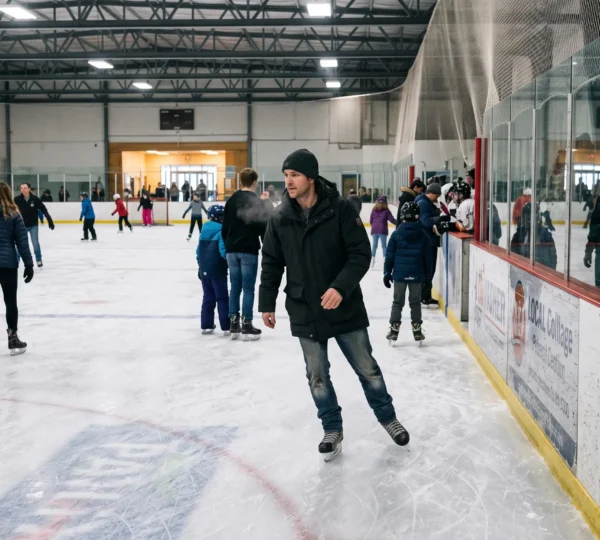
Which Recreational Activities Fit Busy Adults in Winnipeg?
Finding time for recreation in Winnipeg can be challenging when work, family responsibilities, commuting and changing seasons compete for attention. The most sustainable recreational activity is rarely the most ambitious one. It is the activity that remains enjoyable, accessible and…
Read more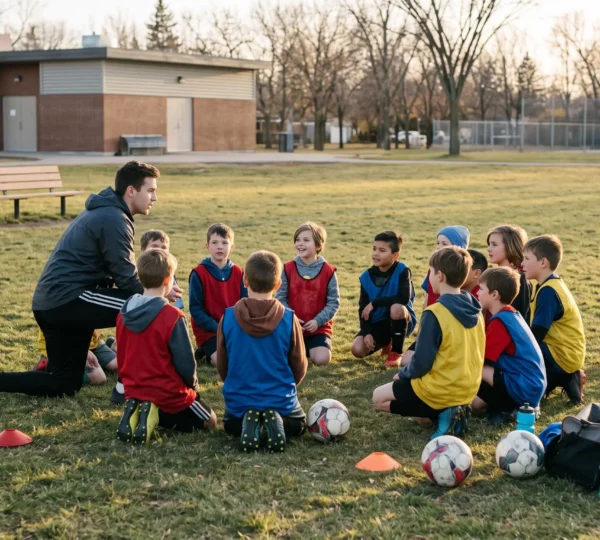
How Can Winnipeg Youth Sports Programs Support Healthy Development Without Added Pressure?
A child who looks forward to practice, feels comfortable making mistakes and wants to return next season is gaining something valuable from sport. In Winnipeg, youth sports programs can support physical skills, confidence, friendships and healthy routines without making competition…
Read more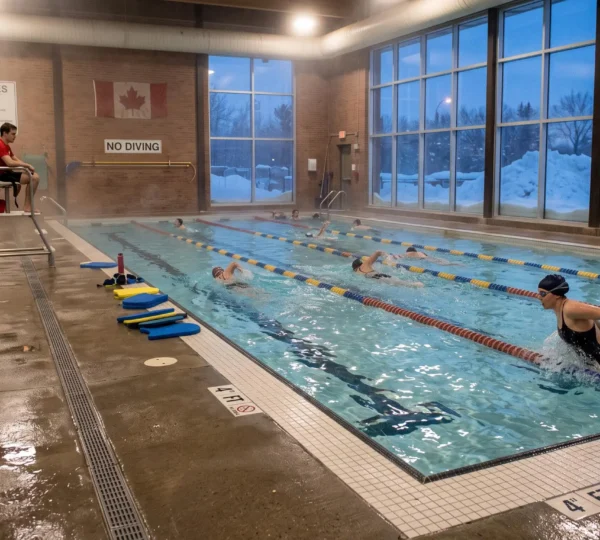
Which Winnipeg Sports and Recreation Facilities Best Fit Your Activity Needs?
Finding the right recreation facility in Winnipeg means looking beyond the nearest swimming pool, gym, arena, or sports field. A facility may offer excellent equipment or attractive programs, but it only becomes useful when its location, opening hours, admission rules,…
Read more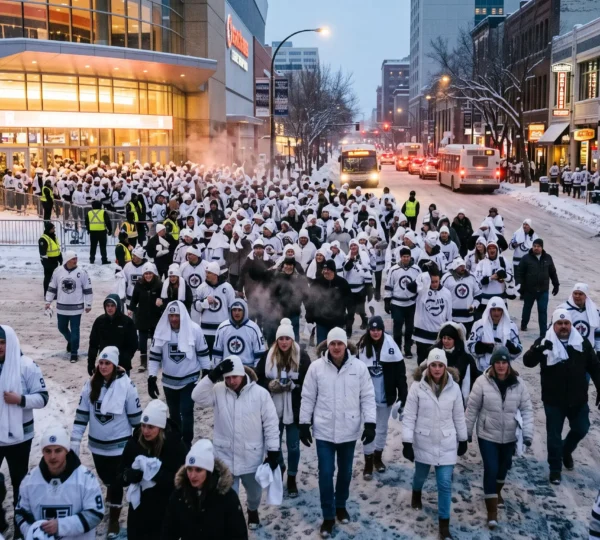
How Do Winnipeg’s Major Hockey and Football Franchises Shape Civic Identity?
In Winnipeg, professional sports are more than a Saturday-night distraction or a reason to wear a team jersey. The Winnipeg Jets and Winnipeg Blue Bombers give residents shared traditions, recognizable gathering places, and stories that connect generations. Their influence reaches…
Read more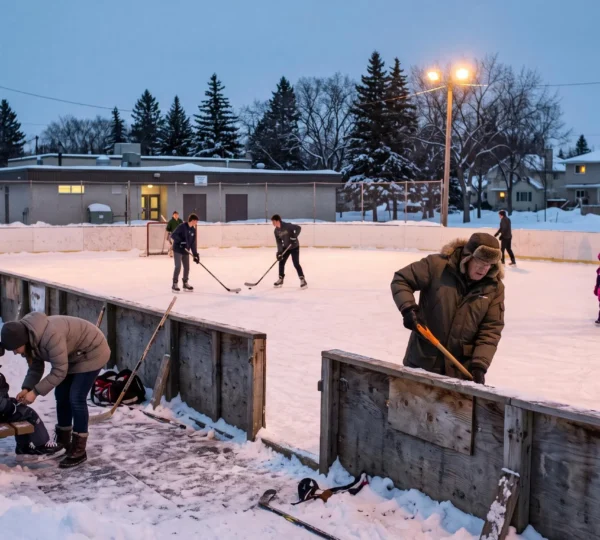
How Does Community Engagement in Sports Strengthen Winnipeg Neighbourhoods?
A neighbourhood hockey game, a Saturday soccer practice, or an evening spent maintaining an outdoor rink can do more than bring people together for recreation. In Winnipeg, these activities create recurring opportunities for residents to meet, develop trust, share responsibilities,…
Read more