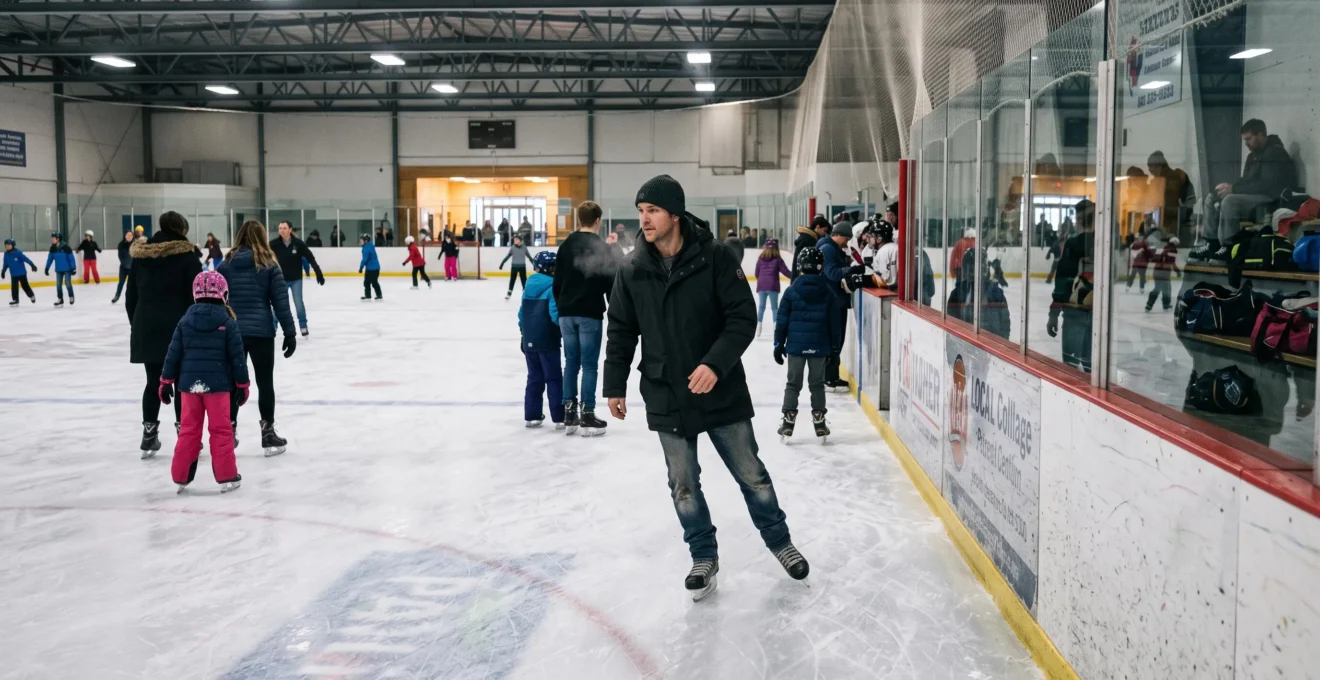
Finding time for recreation in Winnipeg can be challenging when work, family responsibilities, commuting and changing seasons compete for attention. The most sustainable recreational activity is rarely the most ambitious one. It is the activity that remains enjoyable, accessible and realistic during an ordinary busy week.
Swimming, recreational skating, walking, cycling, casual sports and community classes all offer different ways to stay active. Some provide social connections and structured commitments, while others allow you to participate whenever time becomes available. Winnipeg’s municipal recreation programs include both registered sessions and drop-in opportunities, giving adults options beyond conventional gym memberships.
The practical starting point is to match your available time with the right activity format, location and level of commitment. A nearby swimming pool with flexible admission may fit one person better than a weekly sports league, while another adult may need a team commitment to keep showing up. Seasonal alternatives also matter in a city where winter conditions can substantially change outdoor routines.
Choosing recreation that fits your Winnipeg lifestyle
- Choose an enjoyable activity you can maintain during a difficult week, not just when your schedule is ideal.
- Compare drop-in recreation, registered programs and independent activities according to flexibility, travel time and social motivation.
- Plan indoor or winter alternatives before seasonal changes interrupt your routine.
- Why Recreational Activities Are Easier to Stick With Than a Strict Fitness Routine
- How to Find a Winnipeg Recreation Activity That Fits a Busy Schedule
- Solo or Group Recreation: Which Works Better for Your Winnipeg Lifestyle?
- Recreation Choices That Make Winnipeg Adults Quit After Only a Few Weeks
- When Should Winnipeg Adults Switch Their Seasonal Recreation Routine?
- How to Compare Winnipeg Recreation Facilities Before Choosing One
- Bike or Walk: Which Makes More Sense for Short Trips in Winnipeg?
- Which Winnipeg Sports and Recreation Facilities Best Fit Your Activity Needs?
Why Recreational Activities Are Easier to Stick With Than a Strict Fitness Routine
Recreational activities can be easier to maintain than strict fitness routines because enjoyment becomes a reason to participate, rather than relying entirely on discipline or performance targets. Someone who looks forward to skating, swimming or playing badminton may feel less pressure than someone following a demanding workout schedule. However, consistency still depends on accessibility, motivation and realistic commitments.
A strict fitness program often emphasizes measurable outcomes: repetitions completed, distances covered, personal records or changes in physical condition. These goals can be motivating, particularly for adults who enjoy structure and progress. Yet when work becomes demanding, missing a scheduled workout can create frustration or the feeling that the entire program is slipping.
Recreation changes the emphasis from completing a prescribed workout to participating in something enjoyable. A casual swim can offer physical activity without requiring a performance objective. Similarly, recreational skating can combine movement, skill development and time spent with friends.
Research supports the importance of motivation, although it does not establish that recreation is universally more sustainable than structured exercise. A systematic review of psychosocial factors in exercise adherence, covering 24 eligible studies, identified intrinsic motivation, social support, self-efficacy and psychological need satisfaction among prominent factors associated with participation in exercise referral schemes.
The practical differences become clearer when comparing what each activity demands.
| Factor | Recreational activity | Strict fitness routine |
|---|---|---|
| Primary motivation | Enjoyment, interest or social connection | Training goals, progress and discipline |
| Mental effort | May feel easier when participation is inherently enjoyable | May require more deliberate commitment |
| Scheduling | Flexible for independent activities, fixed for organized leagues | Depends on whether training sessions are self-directed |
| Progress | Skill, enjoyment, confidence and physical ability | Often tracked through formal performance measures |
| Social element | Optional or central, depending on the activity | Available through classes, training partners or individual workouts |
Recreation is not automatically more sustainable. A badminton league requiring attendance every Tuesday may become difficult for someone working irregular shifts. Outdoor cycling may also lose its appeal when seasonal conditions change.
For Winnipeg adults, the important distinction is not recreation versus serious exercise. Swimming, cycling, skating and many recreational sports can provide meaningful physical activity when practised consistently and at an appropriate intensity. The best format is the one that makes participation realistic.
A recreational activity can still involve goals and improvement. The difference is that progress supports enjoyment rather than becoming the only reason to participate, making it worthwhile to assess the time commitment before choosing an activity.
How to Find a Winnipeg Recreation Activity That Fits a Busy Schedule
To find a Winnipeg recreation activity that fits a busy schedule, identify the time slots you can reliably protect before comparing programs. Then choose between independent activities, drop-in sessions and registered classes according to how predictable your availability is. An activity that remains possible during a difficult week is more practical than one requiring an ideal calendar.
Start with a realistic review of your weekly commitments. Instead of deciding to exercise three evenings a week, identify which evenings are genuinely free after commuting, meals and family responsibilities. Include the travel time needed to reach a recreation facility and return home.
Separate availability into three categories:
- Reliable time slots: periods that remain available most weeks, such as a particular weekend morning.
- Variable time slots: lunch breaks or evenings that depend on workload or household commitments.
- Occasional openings: unexpected free periods suited to short activities rather than regular registrations.
The City of Winnipeg recreation programs provide useful options for comparing commitment formats. The City’s Fall 2026/Winter 2027 Leisure Guide includes registered programming, while free drop-in opportunities are also advertised for relevant seasonal periods. Swimming and skating are among the activities represented in municipal programming.
These formats serve different scheduling needs. Registered courses and leagues can create accountability, but participation may depend on attending at specific times. Drop-in programs allow greater flexibility, although their operating schedules and available sessions must still be checked. Independent walking or cycling offers the greatest control over when to begin.
Consider a hypothetical adult who can usually spare one hour on Saturday mornings but cannot predict weekday finishing times. A flexible pool admission or independent outdoor activity may work better than a Wednesday evening course. Another adult with a predictable workday may benefit from the consistent structure of a registered class.
Apply the bad-week test before registering. Imagine a week involving overtime, a family appointment or an unexpected interruption. If the activity can still happen, even in a shorter form, it is a stronger candidate for long-term participation.
Build a realistic Winnipeg recreation plan in five steps
- Audit your calendar: identify two genuinely available weekly time slots and write down their start times and realistic durations.
- Shortlist three activities: record one independent, one drop-in and one scheduled option that interest you.
- Calculate the full commitment: note travel, preparation, participation and return time for each option in a comparison sheet.
- Test the leading choice: complete an actual session and record whether its timing, effort and enjoyment met expectations.
- Create a fallback: choose a shorter or more flexible alternative and place both the preferred activity and fallback in your calendar.
Once the activity fits your calendar, the next decision is whether participating independently or alongside other people will make it easier to continue.
Solo or Group Recreation: Which Works Better for Your Winnipeg Lifestyle?
Solo recreation suits Winnipeg adults who need flexible scheduling, while group activities often work better for people motivated by social connection and shared commitments. Neither format is inherently more sustainable. The right choice depends on how frequently your schedule changes, whether external accountability helps you participate and how much enjoyment comes from interacting with others.
Walking, cycling, independent swimming and self-directed fitness allow you to decide when to participate. You can shorten a session or change the day without affecting anyone else. That freedom is valuable for adults with variable work hours, caregiving responsibilities or frequent schedule changes.
The challenge is motivation. Without a teammate or class instructor expecting attendance, it can become easier to postpone an activity repeatedly.
Group recreation creates a different commitment. Recreational volleyball, organized badminton, community classes and running groups provide opportunities to meet people and develop familiar social connections. Attendance may feel more rewarding because the activity becomes part of a social routine.
However, group participation introduces dependencies. A league may require a regular evening commitment, and a registered class may only operate during a defined session. Seasonal interruptions can disrupt an established habit if no alternative has been arranged.
Three questions help identify the better format:
| Your situation | Likely fit | Practical example |
|---|---|---|
| Your schedule changes frequently and you enjoy independent activity | Solo | Walking, cycling or flexible swimming |
| You need accountability and can protect a regular time | Group | Recreational sports league or community class |
| You value social contact but cannot guarantee weekly attendance | Hybrid | Independent activity plus occasional group sessions |
| You want to learn a skill with guidance | Structured instruction | Registered beginner course with independent practice |
A hybrid routine often offers a useful compromise. Someone might walk independently twice a week and join a recreational group whenever scheduling permits. The individual activity preserves continuity, while the group element adds enjoyment and social engagement.
If a group program ends between seasons, use a short independent alternative to maintain the routine until the next session begins. This reduces dependence on the continuity of one particular organization or schedule.
The next challenge is protecting that promising routine from avoidable mistakes, including inconvenient locations, premature commitments and unrealistic expectations.
Recreation Choices That Make Winnipeg Adults Quit After Only a Few Weeks
Winnipeg adults may abandon new recreational activities when participation requires too much travel, an inconvenient schedule, expensive equipment or a skill level beyond their current experience. Seasonal conditions can create additional barriers. Starting with manageable commitments and identifying these obstacles early makes it easier to adjust an activity before frustration turns into permanent withdrawal.
One common mistake is choosing an appealing activity without considering the complete journey. A facility that seems accessible during summer may become less convenient during winter weather. If attending requires extensive travel after a full workday, the effort involved can eventually outweigh the enjoyment.
Another mistake is selecting a class or league that looks convenient on paper but overlaps with responsibilities that regularly change. Missing one session may be unavoidable. Repeated conflicts, however, indicate a mismatch between the activity format and the participant’s actual lifestyle.
Four choices deserve particular attention:
- Excessive travel: a distant facility adds preparation and transportation time that can discourage regular attendance.
- Overly demanding entry levels: joining an advanced activity before developing basic skills can make participation frustrating or uncomfortable.
- Unexpected expenses: equipment purchases, rentals, admission fees or transportation costs may exceed the original budget.
- Too much initial commitment: registering for several activities simultaneously can make recreation feel like another set of obligations.
A hypothetical beginner might register for two evening classes, commit to a weekend sports league and purchase equipment immediately. During the first week, that schedule may feel exciting. Once work or family obligations intervene, maintaining every commitment becomes difficult.
A more realistic approach is to begin with one primary activity at a frequency that remains manageable. Additional sessions can be introduced when participation becomes familiar and enjoyable.
Early warning signs include repeatedly postponing departure, feeling relieved when a session is cancelled or skipping consecutive opportunities without a clear reason. These signals do not necessarily mean the activity is unsuitable. They may indicate that the timing, location or commitment format needs adjustment.
Instead of abandoning recreation altogether, reduce the frequency, switch to drop-in participation, try a beginner-friendly version or choose a more convenient facility.
Winnipeg’s seasonal changes also deserve attention. Outdoor summer activities may require a different approach in winter, especially when equipment, daylight and route conditions affect participation.
Many barriers can be corrected without losing the benefits of recreation. Planning for the seasonal transition is particularly important for maintaining that continuity in Winnipeg.
When Should Winnipeg Adults Switch Their Seasonal Recreation Routine?
Winnipeg adults should plan changes to their recreational routine before weather or facility schedules make their current activity difficult to maintain. Identifying a winter alternative while summer activities are still available creates continuity. The transition does not need to happen on a fixed calendar date; it should follow changing conditions, personal comfort and access to suitable facilities.
Outdoor cycling, walking, running and informal sports can feel convenient during warmer months. As autumn progresses, shorter daylight hours, lower temperatures and changing surface conditions may affect how practical or enjoyable these activities remain.
Waiting until an outdoor routine becomes impossible can leave an extended gap before a replacement is found. A more reliable strategy is to identify alternatives in advance and test them while there is still time to adjust.
Possible transitions include:
- Outdoor cycling to indoor cycling, recreational skating or another enjoyable aerobic activity.
- Outdoor running to an indoor track, treadmill or suitable winter activity.
- Summer team sports to an indoor recreational league or community class.
- Outdoor swimming to scheduled indoor pool sessions where available.
These alternatives do not necessarily provide identical physical demands. For example, cycling and skating involve different movement patterns and balance requirements. Choose a replacement based on enjoyment, accessibility and appropriate intensity rather than assuming the activities are interchangeable.
Two approaches can work particularly well. The first is seasonal rotation, which involves changing activities throughout the year. Someone might cycle in summer, skate in winter and walk during transitional months. This format offers variety but requires preparation and sometimes additional equipment.
The second is year-round anchoring: keeping one consistent indoor activity, such as swimming, while adding outdoor recreation when conditions are favourable. This can suit adults who prefer predictable scheduling but still want seasonal variety.
The right model depends on whether changing activities increases enjoyment or creates additional organizational effort. A person who dislikes repeated registration and equipment changes may prefer a stable indoor option.
Spring requires its own adjustment. Returning to longer outdoor cycling or running sessions after several months of different activity should be gradual. Even when overall fitness has been maintained, muscles and movement patterns may need time to readapt.
Once suitable seasonal alternatives are identified, compare the facilities that could support them. Availability, travel time and total cost may influence whether the planned transition actually happens.
How to Compare Winnipeg Recreation Facilities Before Choosing One
Compare Winnipeg recreation facilities by considering travel time, compatible operating hours, suitable equipment, total participation costs and beginner accessibility. The cheapest facility is not necessarily the most practical. A slightly more expensive option closer to home or work may be easier to use regularly, especially when your available recreation time is limited.
Start by identifying what matters most for your particular routine. Someone with an unpredictable work schedule may prioritize drop-in access and generous opening hours. A beginner learning to swim may place greater value on appropriate instruction and a comfortable learning environment.
A weighted comparison can make the decision more practical. The following scoring approach is an illustrative decision tool, not an official municipal evaluation method.
| Criterion | Suggested weight | What to verify |
|---|---|---|
| Travel convenience | 30% | Real journey time at intended visiting hours |
| Schedule compatibility | 30% | Opening hours, session times and drop-in availability |
| Facilities and equipment | 15% | Suitable spaces, accessibility and availability |
| Total cost | 15% | Admission, passes, rentals and additional expenses |
| Beginner suitability | 10% | Instruction options, skill requirements and comfort |
Adjust these weights to match your priorities. A person learning a new sport may increase the importance of beginner instruction, while someone with a strict budget may assign greater weight to cost.
For municipal facilities, the City of Winnipeg recreation facility admission rates provide a useful pricing reference.
$8.76 CAD
Standard adult single admission at City of Winnipeg facilities covered by the municipal rate schedule, effective September 8, 2026. Some facilities have different rates.
City of Winnipeg, municipal recreation facility admission schedule.
The same municipal schedule lists an adult 10-visit option at $76.88, discounted adult daytime admission at $6.95 during specified weekday periods from September to June, and designated Loonie/Toonie swimming opportunities with $2 adult admission.
These prices illustrate why comparing a single admission fee with a membership headline is insufficient. The economical choice depends on how often you actually attend, which facility you use and whether your preferred activities are included.
Check additional costs such as parking, equipment rental and activity-specific charges. For adults with limited budgets, the City’s Recreation Fee Assistance program is also worth investigating for eligible municipal activities and passes.
Before buying a long-term membership, visit the facility at the time you expect to use it. Crowding, equipment availability and the convenience of entering and leaving can differ substantially between a weekday evening and a weekend morning.
Also ask whether the facility accommodates irregular attendance through drop-in visits, multi-visit passes or membership flexibility. Confirm current terms directly rather than assuming every provider offers the same arrangements.
After narrowing down facility choices, consider whether everyday travel itself could provide some of the physical activity you want, reducing the need for additional scheduled sessions.
Bike or Walk: Which Makes More Sense for Short Trips in Winnipeg?
Walking generally makes sense for very short Winnipeg trips, especially when parking a bicycle would add inconvenience. Cycling can be more practical for longer local journeys when safe routes and secure bicycle parking are available. Weather, surface conditions and personal comfort can change the decision, particularly during winter, when the most convenient summer route may no longer be suitable.
The useful comparison is total door-to-door time, not simply the speed of movement. Walking requires little preparation and no bicycle storage. Cycling may reduce travel time over a longer distance, but unlocking, preparing and parking a bicycle adds steps to the journey.
For adults with limited free time, both options have an important advantage: active transportation turns an existing journey into an opportunity for regular movement. Walking to a nearby appointment or cycling to a local shop can fit into a schedule without requiring a separate recreation booking.
The choice should account for:
- Distance: walking may be simpler for nearby destinations, while cycling becomes more attractive as travel distance increases.
- Route conditions: traffic exposure, intersections, available cycling infrastructure and pedestrian crossings affect comfort and safety.
- Destination: bicycle parking and the need to transport belongings can influence practicality.
- Weather: temperature, wind, precipitation and surface conditions may change which option feels manageable.
Winter deserves special attention. Cycling in snow or icy conditions can require additional equipment, maintenance and experience. Walking may be simpler for some people, although appropriate footwear and maintained pedestrian routes remain important.
Winnipeg maintains designated priority active transportation routes during winter. According to the City’s active transportation snow-clearing priorities, maintenance standards differ by route classification. Some priority sidewalks and pathways have specified clearing targets following qualifying snowfall, while lower-priority routes may take longer.
These maintenance distinctions mean that winter route selection matters. Neither walking nor cycling should be assumed equally convenient across every neighbourhood or after every snowfall.
A practical way to choose is to test the same short journey on foot and by bicycle under suitable conditions. Record the entire journey, including preparation and parking, then compare comfort and convenience.
During winter, reassess the route rather than automatically repeating your summer choice. Conditions can vary from one day to another, and a backup transport option may be necessary.
Everyday active travel can form a dependable foundation for physical activity. A suitable recreation facility can then provide variety, social opportunities or specialized experiences that walking and cycling alone may not offer.
Key takeaways before choosing a recreation facility
- Start with the activity you want and the time you can actually commit, then select a facility that supports both.
- Distinguish flexible drop-in access from registered instruction and organized sports; each solves a different participation need.
- Test location, scheduling and costs in real conditions before committing to a longer membership or program.
Which Winnipeg Sports and Recreation Facilities Best Fit Your Activity Needs?
The best Winnipeg sports and recreation facility depends on your activity, schedule, experience level and desired social environment. Municipal recreation centres can suit adults seeking varied activities and flexible admission, while specialized clubs or private facilities may better support particular sports. Neighbourhood community centres, aquatic facilities and university recreation spaces can also be worth exploring.
Rather than searching for one universally superior location, begin with the kind of experience you want. Someone seeking general physical activity may prioritize a nearby multi-purpose facility. An adult hoping to meet people might prefer organized group sessions, while a person developing a specific skill may need specialized instruction or equipment.
Different facility categories serve distinct purposes:
| Facility type | Potentially suitable for | Important checks |
|---|---|---|
| Municipal recreation centres | General activity, flexible visits and varied programming | Admission rules, schedules and available spaces |
| Public pools and arenas | Swimming, recreational skating and skill development | Public session times, lessons and equipment needs |
| Private sports and fitness complexes | Specialized equipment or particular training environments | Membership terms, availability and full costs |
| Neighbourhood community centres | Local recreation, informal sports and social participation | Individual centre programs and seasonal schedules |
| Specialized sports clubs | Developing skills or joining organized recreational groups | Experience requirements and attendance commitments |
| University recreation facilities | Potential access to sports spaces and fitness programs | Public eligibility, access restrictions and pricing |
Not every facility in these categories offers the same programs or access arrangements. In particular, university facilities and private clubs may impose eligibility, membership or booking requirements that should be confirmed before visiting.
For general fitness and variety, a multi-purpose municipal facility may provide opportunities to explore more than one activity without immediately investing in specialized equipment.
For social recreation, neighbourhood programs, community sports and organized leagues may be more relevant. The best match is a group operating at a welcoming skill level with an attendance commitment you can reasonably meet.
For skill development, look for appropriate beginner instruction rather than choosing the most advanced facility available. Learning to skate, swim or play a new sport is usually more enjoyable when the program matches your starting level.
Flexible scheduling deserves equal consideration. Someone who cannot attend reliably at a fixed hour may receive more practical value from a facility offering suitable drop-in sessions than from an otherwise attractive registered program.
Once you have identified a promising option, try it under realistic conditions. A single visit can reveal whether you enjoy the environment, but several opportunities to attend provide a better indication of how the activity fits your ongoing routine.
Check the current program calendar, confirm eligibility and fees, and consider how you will continue during busy weeks or seasonal changes. The most suitable facility combines an enjoyable activity with manageable access and a commitment level you can sustain.
Choose one promising activity, identify an accessible facility or outdoor route, and schedule a realistic first session. Evaluate how it fits your actual week before making a longer commitment. A small, repeatable routine is a practical starting point for staying active and connected in Winnipeg.
Can adults find free recreational activities in Winnipeg?
Yes. The City of Winnipeg advertises free drop-in programs during designated seasonal periods, including Fall 2026 and Winter/Spring 2027 opportunities. Availability depends on the particular program and schedule. Independent activities such as walking can also be accessible without paying admission, although equipment or transportation expenses may still apply.
Do Winnipeg recreation centres offer options without long-term memberships?
Municipal recreation facilities covered by the standard City admission schedule offer single-visit and multi-visit options. The City’s recreation programming also includes drop-in activities, allowing participation without registering for every activity as a full course. Confirm the admission rules and session schedule for the particular facility before visiting.
What if I cannot attend recreation sessions at the same time every week?
Prioritize flexible activities such as independent walking, cycling or suitable drop-in recreation sessions. Keep a second option for weeks when your preferred activity is unavailable. If your schedule changes frequently, avoid committing to a fixed league or class unless occasional absences can be accommodated.
Is it necessary to buy expensive equipment before trying a new sport?
Not necessarily. Equipment requirements vary by sport and facility. Before purchasing, ask whether the provider offers rentals, introductory equipment or an opportunity to try the activity. Starting with a lower-commitment session helps determine whether you enjoy the sport enough to justify an additional investment.
How can a beginner start recreational activities without feeling overwhelmed?
Choose one enjoyable, beginner-appropriate activity and start with a manageable commitment. Look for introductory sessions, accessible facilities and opportunities to progress at a comfortable pace. Focus initially on establishing a positive experience rather than achieving an ambitious performance goal, then adjust the frequency as the activity becomes familiar.