Winnipeg Local News
Winnipeg is a city of neighbourhoods, and its local news reflects that. From decisions made at City Hall to the latest storm rolling in from the prairies, Winnipeg local news covers the everyday stories that shape life in Manitoba’s capital. This pillar page is designed as a friendly starting point: whether you are a lifelong resident, a newcomer to the city, or simply curious about what happens between the Red River and the Perimeter Highway, you will find here a structured overview of the topics that matter, explained in plain language.
Think of local news as the circulatory system of a city: information flows through it, connecting residents to the institutions, services and communities around them. When that flow is healthy, people vote with better knowledge, navigate winter storms more safely, and feel more connected to their neighbours. This page walks you through the main arteries of that system, one section at a time.
Why Winnipeg Local News Matters to Everyday Life
Municipal decisions affect daily routines more directly than most people realize. The condition of a road you drive to work on, the frequency of a bus you wait for on Portage Avenue, or the schedule for garbage collection on your street all trace back to local reporting. Without a solid local news ecosystem, these details become harder to find, and civic life becomes less transparent.
Winnipeg presents a distinctive news environment. As the largest city in Manitoba, with a population hovering around three-quarters of a million people, it combines big-city issues with a small-town sense of community. Local journalists here often cover a story from every angle because they live in the same neighbourhoods as their readers. That proximity creates accountability and, frankly, a better story.
The Connection Between Informed Residents and a Stronger City
Research on civic engagement consistently shows that communities with strong local coverage see higher voter turnout in municipal elections and greater participation in public consultations. In practical terms, when residents know about a proposed rezoning on their street or a change to property tax assessments, they can respond before decisions are finalized rather than after. Local news is essentially the early warning system of democratic life.
City Hall and Municipal Politics: The Heartbeat of Local Coverage
Winnipeg’s municipal government, led by the mayor and city council, is a permanent fixture of local reporting. Council decisions touch nearly every aspect of urban life, and understanding the structure helps readers make sense of the headlines.
- City council — fifteen councillors represent Winnipeg’s wards, debating budgets, bylaws and development projects that define the city’s growth.
- The mayor’s office — sets the political agenda and represents the city regionally and nationally.
- Committees — bodies dedicated to infrastructure, public works, finance and community services where much of the detailed work happens.
A useful analogy: if city council were a restaurant, the budget would be the menu, the bylaws would be the house rules, and local journalists would be the food critics who taste everything and tell you honestly what is worth your attention. Following municipal coverage does not require a political science degree; it requires curiosity about where your tax dollars go.
Property Taxes, Budgets and the Numbers That Affect You
Every year, city council debates the municipal budget, and property tax discussions dominate the headlines. For the average Winnipeg homeowner, a one percent increase on an average-assessed home can translate into a tangible change in the annual bill. Local reporting breaks these figures down, comparing them to previous years and explaining what services they fund — from fire halls to recreation centres. When you read a budget story, look for three things: the overall percentage change, which departments gain or lose, and what the story says about long-term infrastructure debt.
Infrastructure and Transit: Getting Around the City
Winnipeg’s geography — stretched along the rivers, ringed by the Perimeter Highway — makes transportation a perennial news topic. Coverage here tends to fall into a few recurring categories.
- Road construction and potholes — the freeze-thaw cycles of Manitoba winters create some of the most notorious potholes in Canada, and spring coverage of repair schedules is practically a seasonal tradition.
- Winnipeg Transit — route changes, fleet modernization and discussions around bus rapid transit corridors generate ongoing debate about how the city moves.
- Major projects — bridge rehabilitations, intersections rebuilds and long-term transport plans that reshape commute patterns.
Think of the city’s road network like a well-worn pair of winter boots: it works, but it needs constant maintenance to survive the season. Local news is where residents learn which streets to avoid, when detours begin, and how public money is being spent on fixes.
Weather and Emergency Coverage: Life on the Prairies
No introduction to Winnipeg local news is complete without weather. Sitting at the confluence of the Red and Assiniboine rivers, Winnipeg experiences some of the most dramatic seasonal swings of any major Canadian city. Local weather coverage is not a convenience here; it is a survival tool.
- Winter blizzards and extreme cold — snowfall warnings, wind chill advisories and school closures are staples of winter reporting.
- Spring flooding — river levels along the Red River are watched closely, and flood coverage matters for communities inside and outside the floodway.
- Summer storms — severe thunderstorm watches, hail events and occasional tornado warnings keep weather in the headlines year-round.
During emergencies, local outlets become lifelines: updating road conditions, sharing evacuation information and connecting residents with city services. This is also where the distinction between local and national news becomes clearest — a national outlet may mention a Manitoba storm, but only local coverage tells you which streets are impassable in St. Vital or whether the Disraeli Freeway has reopened.
Community Stories, Arts and Culture: The City’s Personality
Not every important story happens at City Hall. Winnipeg’s identity lives in its neighbourhoods — Osborne Village, the Exchange District, St. Boniface, the North End — and local news gives these communities a voice. Coverage of local festivals, Indigenous communities and reconciliation efforts, the francophone heritage of St. Boniface, high school sports and grassroots initiatives paints a fuller picture of the city than politics alone ever could.
Consider the analogy of a family photo album: municipal politics might be the formal portrait, but community stories are the candid shots that show who Winnipeggers really are. From the human rights legacy honoured at the Canadian Museum for Human Rights to the local music scene and the storied passion for hockey and the Winnipeg Jets, culture reporting connects residents to a shared identity.
How to Follow Community News Effectively
- Identify two or three reputable local outlets and check them regularly rather than relying solely on social media algorithms.
- Follow your specific community association or neighbourhood social groups for hyperlocal updates.
- Sign up for city alert systems for emergencies, road work and transit notices.
- Verify surprising stories by checking whether more than one local source reports them.
Public Safety, Health and Civic Services
Local news also serves as an essential bridge between residents and public institutions. Reporting on the Winnipeg Police Service, fire paramedic services and public health updates helps residents understand changes that affect their safety and wellbeing. In recent years, coverage has expanded to include deeper conversations about public safety approaches, addictions and homelessness — complex issues where careful, locally grounded journalism makes a real difference in public understanding.
Similarly, stories about school divisions, hospital capacity in the Winnipeg health region and recreational facility upgrades give families the practical information they need, from school bus route changes to the reopening schedule of a community pool.
How to Stay Informed: Practical Tips for Winnipeg Readers
Being well informed does not require reading everything. It requires a smart routine. Here is a simple approach for staying on top of Winnipeg local news without feeling overwhelmed.
- Choose quality over quantity. Pick one or two established local newsrooms rather than scrolling endlessly through aggregators.
- Batch your reading. A ten-minute daily check or a weekly deep dive is more sustainable than constant notifications.
- Follow the civic calendar. Key moments — budget season, election periods, the spring flood watch — are when your attention matters most.
- Support local journalism where possible. Local reporting is resource-intensive, and subscriptions or even regular engagement help sustain coverage.
A final word of encouragement: you do not need to become a political expert overnight. Start with the stories that touch your own street, your own commute, your own family. Local news rewards consistent, small doses of attention the way a garden rewards regular watering. Over time, the connections between budget decisions, transit routes and neighbourhood life become clear — and you will find yourself not just reading Winnipeg’s story, but understanding it, and perhaps even helping to write it.
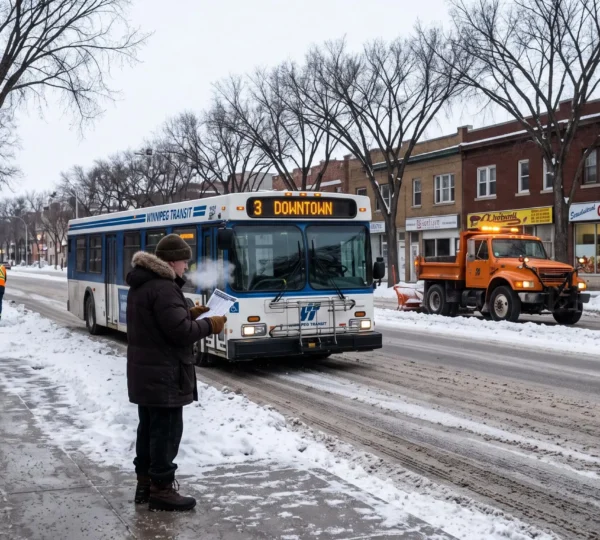
Which Winnipeg Issues Are Most Likely to Affect Residents’ Daily Lives?
The Winnipeg issues most likely to affect everyday life are municipal taxes, public transit, road maintenance, housing development, public safety and infrastructure investment. These decisions influence household expenses, commuting reliability, neighbourhood conditions and access to essential services. Their effects can…
Read more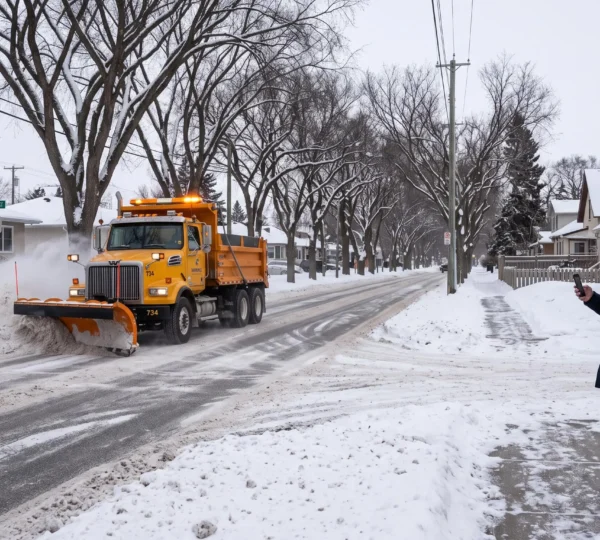
How Can Winnipeg Public Service Delivery Better Match Residents’ Everyday Needs?
Winnipeg residents experience municipal service delivery through ordinary events: a garbage truck arriving on collection day, a snowplow clearing a street, a pothole being repaired, or a water-related problem receiving attention. These interactions shape how reliable and accessible local government…
Read more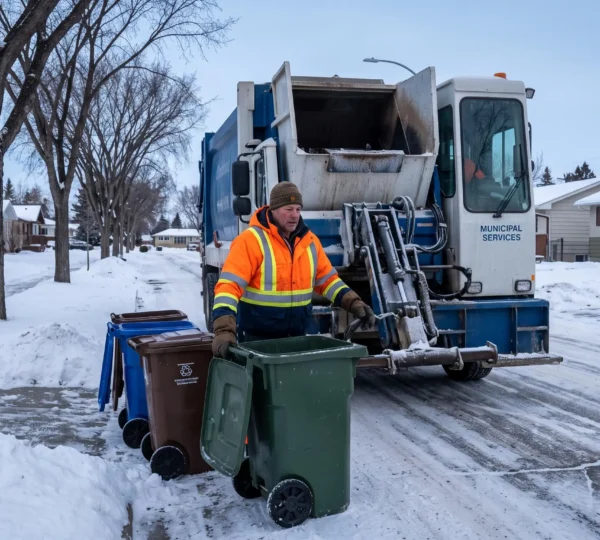
Which Winnipeg Municipal Services Matter Most in Everyday City Life?
Winnipeg municipal services influence nearly every part of daily life, from the water flowing through household taps to the condition of neighbourhood streets and the collection of household waste. Most of these systems operate quietly until a disruption makes residents…
Read more