Culture and Events
Winnipeg is often described as Canada’s most underrated cultural capital. Situated at the meeting point of the Red and Assiniboine rivers, this city of roughly 750,000 people punches far above its weight when it comes to arts, heritage, and public celebrations. If you are new to the city, planning a visit, or simply curious about what makes Manitoba’s capital tick, understanding its culture and events is the best way to connect with the community. Think of this article as a map: the terrain is vast, but every landmark is worth the trip.
Why Winnipeg Is a Cultural Hub on the Prairies
Winnipeg’s cultural identity did not appear overnight. It grew from three powerful roots: its Indigenous heritage, its history as a railway and immigration gateway, and its reputation as a place where creativity thrives despite (or perhaps because of) the extremes of its climate.
For thousands of years before European settlement, the land at the river junction was a gathering place for the Anishinaabe, Cree, Oji-Cree, Dakota, and Dene peoples, as well as the Métis Nation. That legacy of gathering remains the backbone of the city’s cultural life. Later, waves of immigrants from Ukraine, Poland, the Philippines, Iceland, and many other countries layered new traditions onto the prairie foundation. The result is a city where a Ukrainian dance troupe, a Filipino cultural pavilion, and a contemporary Indigenous art gallery can all flourish within a few blocks of each other.
A useful analogy: if Canada’s culture were a tapestry, Winnipeg would be one of the knots holding the threads together — not the flashiest part of the fabric, but essential to its structure.
The Major Cultural Institutions Every Newcomer Should Know
Before diving into events, it helps to know the anchors — the institutions that operate year-round and give the city its cultural rhythm. Consider these your starting points:
- The Canadian Museum for Human Rights — Located at The Forks, this national museum was the first in the world dedicated entirely to human rights. Its architecture alone, with the Tower of Hope rising above the skyline, makes it a landmark.
- The Forks — A historic meeting place turned market, gathering space, and year-round event hub. In winter, it hosts one of the longest naturally frozen skating trails in the world.
- The Manitoba Museum — Combining a museum, planetarium, and science gallery, it is the go-to resource for understanding the province’s natural and human history.
- The Winnipeg Art Gallery-Qaumajuq (WAG-Qaumajuq) — Home to the largest public collection of contemporary Inuit art in the world, housed in a striking building with a visible sculpture vault.
- The Royal Winnipeg Ballet — Canada’s oldest ballet company and one of the most respected in North America.
- The Manitoba Theatre Centre (MTC) — One of the country’s leading regional theatres and a pioneer of the professional theatre movement in Canada.
Each of these institutions offers programming for beginners — guided tours, free admission days, and family-friendly activities — so there is no wrong place to start.
A Practical Tip for First Visits
If you are the type of person who gets overwhelmed by choices, follow this simple sequence: begin at The Forks to orient yourself, spend two hours at the Canadian Museum for Human Rights, and finish with a walk along the riverbank. This half-day route gives you history, architecture, and atmosphere in a single outing, and it costs almost nothing if you plan around the museum’s free-access hours.
Festivals: The Beating Heart of the City
If institutions are Winnipeg’s skeleton, festivals are its heartbeat. The city’s festival calendar is remarkably dense for its size, and locals treat these events as annual rituals rather than optional entertainment. A few standouts define the calendar:
- Folklorama — Arguably the city’s signature cultural event, this two-week multicultural festival transforms community centres across the city into “pavilions” representing dozens of cultures, complete with food, music, and dance. It is often cited as the longest-running multicultural festival of its kind in the world.
- The Winnipeg Folk Festival — Held at Birds Hill Provincial Park just outside the city, this beloved summer gathering draws internationally renowned folk, roots, and indie artists along with tens of thousands of campers and day visitors.
- The Winnipeg Fringe Theatre Festival — One of the largest fringe festivals in North America, where hundreds of uncensored, affordable theatre performances take over the Exchange District for about ten days.
- Festival du Voyageur — Western Canada’s largest winter festival, celebrating Franco-Manitoban heritage with snow sculptures, fiddle music, voyageur games, and maple taffee at Whittier Park in Saint-Boniface.
- Jazz Winnipeg Festival and the Winnipeg Music Festival scene — A network of events spanning jazz, new music, and classical traditions throughout the year.
- Manitoba Ag Days and the Royal Manitoba Winter Fair (nearby Brandon) — Agricultural traditions that remind visitors how deeply rural and urban Manitoba remain connected.
Notice the pattern: nearly every festival here is tied to a community’s heritage. In Winnipeg, festivals are not just entertainment — they are how neighbourhoods introduce themselves to the rest of the city.
How to Choose Which Festival to Attend First
Use this quick decision framework:
- Want maximum variety in one trip? Choose Folklorama.
- Love music and the outdoors? Choose the Winnipeg Folk Festival.
- Curious about experimental art on a budget? Choose the Fringe Festival.
- Visiting during winter and want to embrace the cold? Choose Festival du Voyageur — it turns the season into an asset.
Seasons and Climate: How Weather Shapes the Cultural Calendar
Here is a truth every Winnipeger knows: the climate is a cultural actor. Winter temperatures can plunge well below freezing for weeks, while summers are warm and surprisingly vibrant. The city’s event calendar is built around this reality.
In winter, activity moves indoors and adapts. The River Skating Trail at The Forks, skating at community rinks, curling, and cozy venue concerts define the season. Locals have a saying worth adopting: “There’snobadweather,
onlybadclothing.” Winter events are designed to be enjoyed with the cold, not against it — a mindset shift that makes all the difference for newcomers.
In summer, the city essentially moves outdoors. Osborne Village, Corydon Avenue, and the Exchange District fill with patios, street festivals, and markets like the St. Norbert Farmers’ Market — the largest of its kind in the province. The long evening daylight (the sun sets late in June and July) gives summer events an extended, festive quality.
Indigenous Culture and Reconciliation: A Living Responsibility
Winnipeg has one of the largest urban Indigenous populations in Canada, and Indigenous culture is not a historical exhibit here — it is a living, present-tense force. The city sits on Treaty One territory and the homeland of the Métis Nation, and this context shapes its cultural life in visible ways.
- The WAG-Qaumajuq was designed in consultation with Inuit communities and puts Indigenous art at the centre of the city’s visual identity.
- The ManitobaMetis Federation and organizations like Manitoba Music’s Indigenous Music Development Program support thriving Indigenous artistic careers.
- Public art projects, land acknowledgements at events, and the former National Inquiry into Missing and Murdered Indigenous Women and Girls hearings held in the city all reflect a community engaged — imperfectly but genuinely — with reconciliation.
- Events such as National Indigenous Peoples Day celebrations at The Forks each June draw large, diverse crowds.
For visitors and newcomers, the respectful approach is simple: attend, listen, and support Indigenous-led businesses and events rather than treating culture as a spectator sport.
Neighbourhoods as Cultural Destinations
One of Winnipeg’s best-kept secrets is that its culture is not concentrated downtown — it lives in distinct neighbourhoods, each with its own personality:
- The Exchange District — A National Historic Site with one of North America’s finest collections of turn-of-the-century architecture. Today it houses galleries, theatres, indie shops, and the Fringe Festival grounds.
- Saint-Boniface — Winnipeg’s French quarter, home to the Franco-Manitoban community, the Festival du Voyageur, and the beautiful basilica ruins of the Saint-Boniface Cathedral.
- Osborne Village and Corydon — Dense, walkable commercial strips known for restaurants, live music venues, and multicultural dining.
- Chinatown — Centered on King Street, offering festivals, restaurants, and the Confucius Gate.
- The North End — A historically working-class, multicultural neighbourhood with a strong artistic resurgence and important community-led cultural initiatives.
Think of these neighbourhoods as chapters in a book: you could read only one and enjoy it, but the full story requires all of them.
Getting Involved: From Spectator to Participant
Culture in Winnipeg rewards participation. If you want to move from observer to contributor, here is a realistic path:
- Start with free events. Markets, outdoor concerts, and neighbourhood festivals cost nothing and give you a feel for the scene.
- Volunteer at a major festival. Folklorama, the Folk Festival, and the Fringe all rely heavily on volunteers — a low-pressure way to meet people and see the machinery up close.
- Buy local and seasonally. Supporting local artists, venues, and community fundraisers keeps the ecosystem healthy.
- Learn one tradition deeply. Whether it is a dance class, a language workshop, or a cooking class tied to a local community, depth beats breadth.
The city’s cultural scene is famously welcoming precisely because it is community-run. Behind almost every event is a volunteer committee, a cultural association, or a neighbourhood group — meaning the barrier to entry is lower than in larger, more commercial cities.
Frequently Asked Questions About Culture and Events in Winnipeg
Is Winnipeg expensive for cultural outings?
Generally, no. Many museums offer discounted or free access days, festival tickets are modest compared to larger cities, and community events are often free or donation-based. A full cultural calendar is achievable on almost any budget.
Do I need to speak French to enjoy Saint-Boniface?
Absolutely not. While French is widely spoken there, the community is bilingual in practice and actively welcomes visitors who want to learn about Franco-Manitoban heritage.
Is it really too cold to enjoy events in winter?
It is cold — there is no arguing that — but winter is arguably one of the city’s most distinctive cultural seasons. Indoor venues stay busy, and outdoor events like Festival du Voyageur and winter skating are built for the conditions. Proper clothing is the only prerequisite.
Final Thoughts: A City That Earns Its Attention
Winnipeg does not advertise itself the way larger cities do, and that is partly why its cultural depth surprises people. The events here are intimate, the institutions are world-class without being intimidating, and the communities behind them are genuinely glad to see newcomers. Whether you arrive for a two-week festival or put down roots for good, the pattern is the same: show up, stay curious, and the city will keep offering you more. That is not marketing — it is simply how culture works in a place where people have always gathered at the rivers.
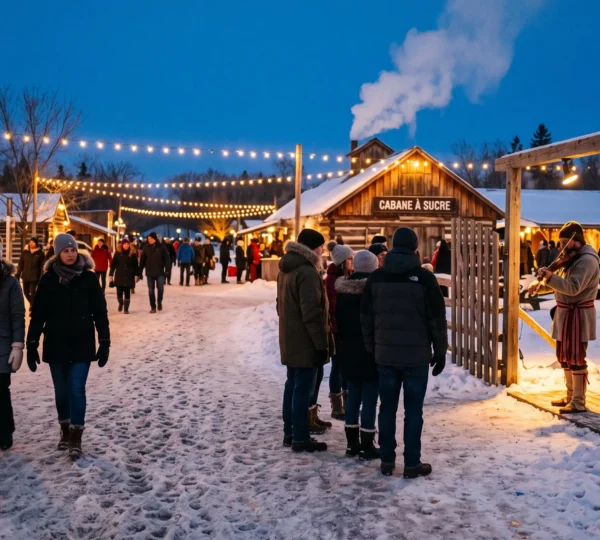
How Can You Experience Festival du Voyageur Beyond the Headline Events?
Festival du Voyageur offers much more than concerts, snow sculptures and a lively winter atmosphere. Rooted in Winnipeg’s Saint-Boniface neighbourhood, it brings together Franco-Manitoban cultural traditions, historical interpretation, music, food and community celebrations. Experiencing these different dimensions reveals why the…
Read more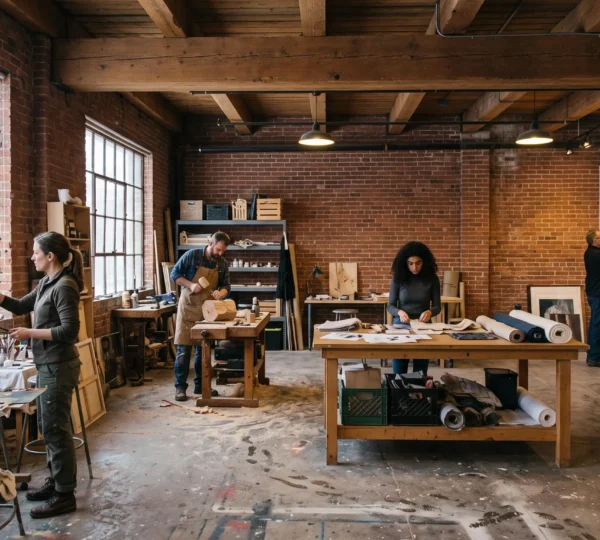
How Do Winnipeg’s Local Artistic Communities Build a Distinct Creative Scene?
Winnipeg’s creative identity emerges from relationships among artists, neighbourhood spaces, cultural organizations, independent collectives, and audiences. Its artistic communities do more than organize exhibitions or performances: they create opportunities for mentorship, shared production, experimentation, and sustained participation. The Exchange District…
Read more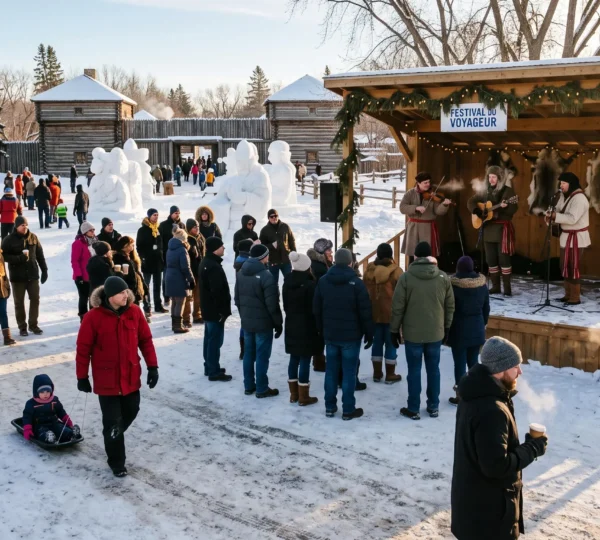
How Can You Make the Most of Winnipeg’s Year-Round Cultural Calendar?
Winnipeg’s cultural calendar never really stops. It changes character as the seasons turn, moving between outdoor celebrations, neighbourhood gatherings, theatre productions, gallery exhibitions and community traditions. A February festival can feel worlds apart from an August cultural celebration, yet both…
Read more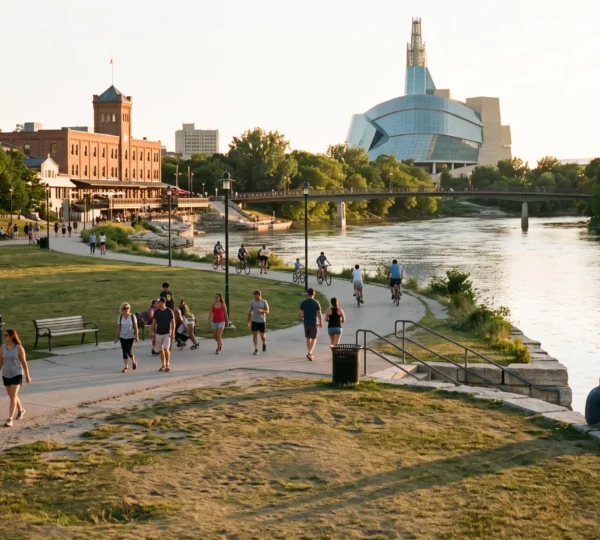
How Can You Explore The Forks Beyond Its Most Familiar Winnipeg Attractions?
At the meeting point of Winnipeg’s Red and Assiniboine rivers, The Forks is more than a market, a waterfront attraction or a convenient place to meet friends. Its history stretches back at least 6,000 years, yet it remains part of…
Read more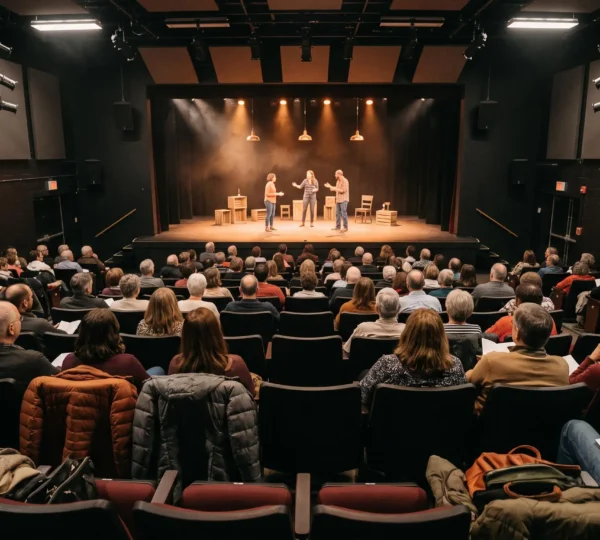
How Do Winnipeg’s Local Theatre Companies Keep Live Performance Accessible and Diverse?
Winnipeg’s theatre scene offers considerably more than a choice between established stages and occasional community productions. Professional companies, independent artists, youth-focused organizations and festival performers collectively create opportunities for audiences to encounter different stories, theatrical traditions and performance styles. That…
Read more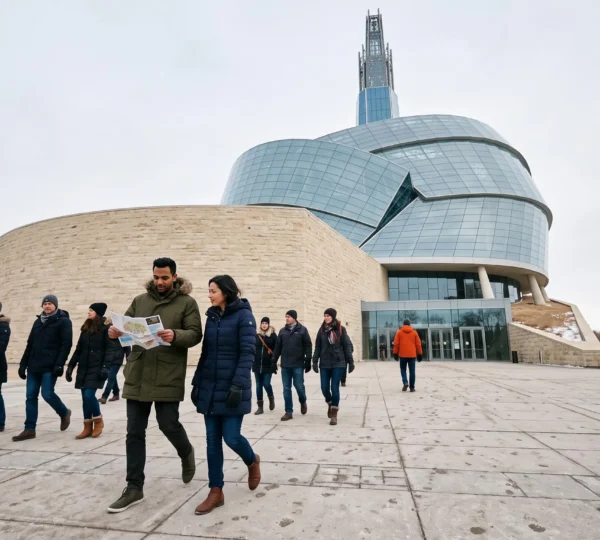
How Can You Get More From a Visit to the Canadian Museum for Human Rights?
Getting more from a visit to the Canadian Museum for Human Rights is less about seeing everything than about deciding how deeply you want to engage with what you see. The Winnipeg museum combines architecture, multimedia, testimony, historical material and…
Read more