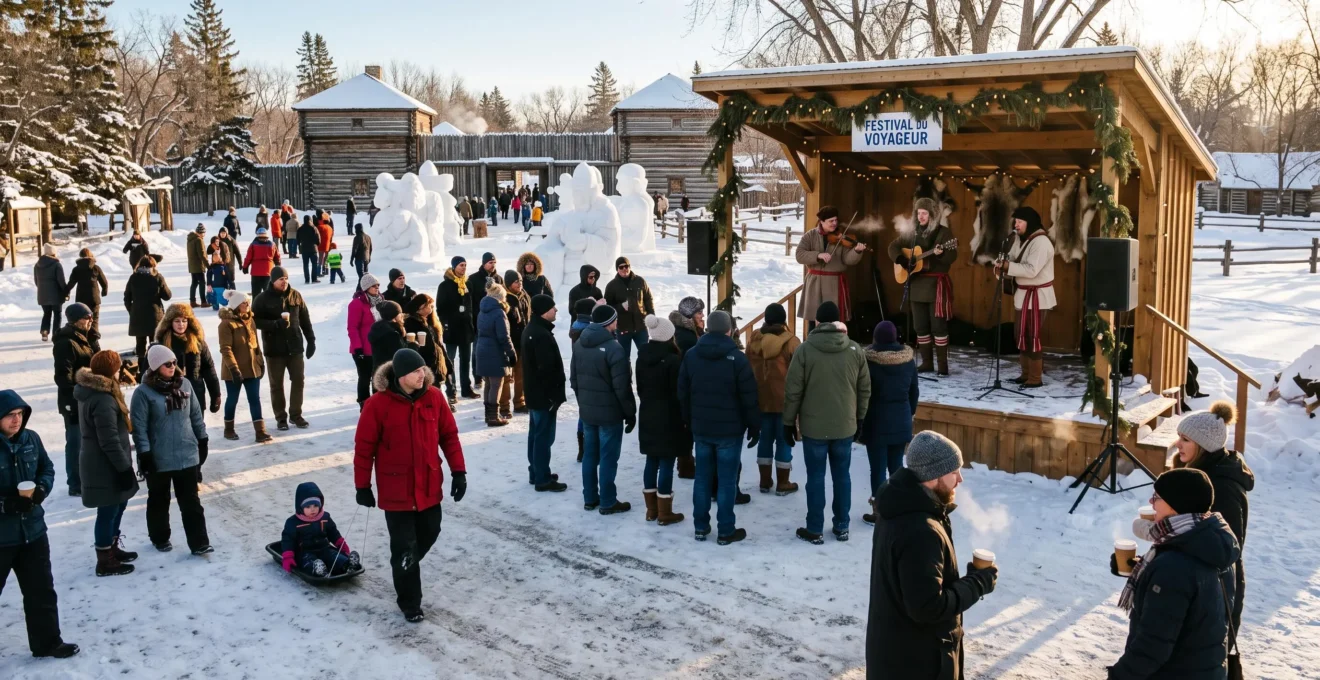
Winnipeg’s cultural calendar never really stops. It changes character as the seasons turn, moving between outdoor celebrations, neighbourhood gatherings, theatre productions, gallery exhibitions and community traditions. A February festival can feel worlds apart from an August cultural celebration, yet both reveal something essential about Manitoba’s capital.
Making the most of these experiences takes more than choosing the biggest event on a tourism calendar. Weather, venue locations, ticket availability and the rhythm of individual neighbourhoods all influence what makes a successful outing. A visitor with one weekend has different priorities from a resident building cultural experiences into everyday life.
The most rewarding approach is to combine established festivals with smaller discoveries, balance indoor and outdoor activities, and plan only as far ahead as each event requires. That leaves room for both Winnipeg’s signature celebrations and the unexpected performances, exhibitions and community events that make its cultural life distinctive.
Winnipeg’s cultural calendar at a glance
- Plan around the seasons: winter festivals, summer outdoor events and year-round cultural venues call for different approaches.
- Mix event formats: combine a major festival, an indoor cultural experience and a smaller neighbourhood event whenever the calendar allows.
- Book selectively: secure high-demand performances and accommodation early, but leave space for community events and spontaneous discoveries.
- Why Does Winnipeg’s Cultural Calendar Feel Different From Season to Season?
- How Can You Plan a Month of Winnipeg Events Without Missing the Best Variety?
- Major Festival or Small Local Event: Which Winnipeg Experience Fits You Better?
- Event Planning Mistakes That Can Spoil a Winnipeg Cultural Outing
- When Should You Book or Plan for Winnipeg’s Most Popular Cultural Events?
- When Should You Plan Your Festival du Voyageur Visit to Avoid Missing Key Events?
- When Should You Book Tickets for Popular Winnipeg Theatre Performances?
- How Can You Explore The Forks Beyond Its Most Familiar Winnipeg Attractions?
Why Does Winnipeg’s Cultural Calendar Feel Different From Season to Season?
Winnipeg’s cultural calendar changes dramatically because its climate influences where, when and how people gather. Winter brings cold-weather celebrations alongside indoor performances, while summer creates more opportunities for outdoor festivals and neighbourhood activities. Between these peaks, theatres, museums, galleries and community organizations keep cultural experiences available throughout the year.
The contrast is measurable. Environment and Climate Change Canada‘s 1991–2020 climate normals record an average daily temperature of -16.3°C in January and 19.5°C in July at Winnipeg Richardson Airport. That is a difference of between the January and July average daily temperatures 35.8 °C between the two monthly averages, illustrating why an outdoor cultural outing requires a very different plan depending on the season.
35.8°C
Difference between Winnipeg Richardson Airport’s January and July average daily temperatures over 1991–2020. This is a historical climate comparison, not a forecast for a specific festival date.
Environment and Climate Change Canada’s Winnipeg climate normals
Winnipeg’s winter identity comes alive through events such as Festival du Voyageur, where French-Canadian and Métis cultural traditions form part of a celebration adapted to the cold season. Summer offers a different atmosphere through events such as Folklorama and the Winnipeg Jazz Festival, alongside outdoor activities around The Forks and other public spaces.
Three overlapping programming rhythms explain the calendar:
- Annual anchor festivals: recognizable celebrations that provide reference points for planning a trip or a season.
- Venue-based programming: theatre seasons, exhibitions, concerts and other cultural offerings scheduled across multiple months.
- Community and pop-up events: neighbourhood activities, artist showcases and smaller gatherings that may be announced closer to their dates.
Spring and late autumn deserve attention, too. These transitional periods may offer interesting exhibitions and less competition between major outdoor festivals, but their weather can make flexible plans particularly valuable. Lower attendance or cheaper admission should never be assumed without checking the event itself.
The practical lesson is to treat each season as a different cultural opportunity rather than expecting the same activities all year. Once that distinction is clear, monthly planning becomes much more effective.
How Can You Plan a Month of Winnipeg Events Without Missing the Best Variety?
Plan a month of Winnipeg cultural activities by identifying its major events first, adding one or two performances or exhibitions, and keeping space for a neighbourhood discovery. A balanced month ideally includes different venues, cultural traditions and event sizes. Spread outings across several weeks so that busy festival weekends do not consume your entire schedule or budget.
Begin with the events that are difficult to move. An annual festival, a touring performance or a short exhibition may determine your available dates. Check the organizers’ current calendars and mark the events that matter most before considering additional activities.
Next, add experiences that provide contrast. If your main outing is a busy outdoor festival, consider a museum visit or theatre performance elsewhere in the month. If the calendar already contains several indoor performances, look for a public celebration or neighbourhood gathering.
A simple variety check can prevent a month from becoming repetitive:
- One established festival or larger public cultural event, when available.
- One indoor experience, such as theatre, a gallery or a museum.
- One grassroots activity, such as a neighbourhood arts event or community performance.
For example, a hypothetical summer month might combine a major cultural festival, an afternoon at a gallery and a smaller outdoor music event. A winter version could replace the outdoor music gathering with an indoor community concert.
The goal is variety, not completing a prescribed number of activities. If no major festival takes place during your chosen month, substitute another substantial cultural experience rather than forcing the schedule.
Build your Winnipeg cultural month in five steps
- Select the month’s anchor: identify the main event and record its confirmed date, venue and official schedule in a calendar.
- Add an indoor experience: choose a performance, exhibition or museum visit and save its opening hours or performance time.
- Find a community event: shortlist one neighbourhood activity and record where its updates are published.
- Check the logistics: note ticket requirements, estimated costs and transport options for each outing in a planning sheet.
- Protect flexibility: leave at least one free date and identify an alternative activity in case plans change.
Finally, avoid concentrating every outing into one weekend. Large events can involve queues, travel and additional spending, making the next activity feel like an obligation instead of a pleasure.
Once the monthly outline is in place, the next decision is about the type of experience: an established festival with extensive programming or a smaller cultural gathering with a more personal atmosphere.
Major Festival or Small Local Event: Which Winnipeg Experience Fits You Better?
Choose a major Winnipeg festival when you want a concentrated programme, recognizable cultural traditions and several activities within one outing. Choose a smaller community event when you value flexibility, intimate performances or opportunities to engage directly with local artists. Neither format is inherently better: the right choice depends on your interests, available time, budget and tolerance for crowds.
Folklorama, Festival du Voyageur and the Winnipeg Jazz Festival demonstrate how established events can introduce visitors to cultural communities, performances and traditions. Their scale can make them appealing starting points, particularly for people unfamiliar with Winnipeg’s arts scene.
Smaller events offer a different experience. A neighbourhood exhibition or local concert may allow more time to speak with participating artists or discover work that is not part of a larger festival programme. However, the actual experience depends on the individual organizer and venue.
The following comparison can help match the format to your priorities.
| Criterion | Major festival | Smaller local event |
|---|---|---|
| Crowds | Potentially busy, especially for popular performances | May offer a more intimate setting |
| Cost | Can involve tickets, multiple admissions and additional expenses | May offer free or lower-cost options |
| Spontaneity | Some activities require advance planning | Often more flexible, depending on capacity |
| Cultural depth | Broad exposure to several artists, communities or traditions | Opportunity to explore a narrower subject in greater detail |
| Artist interaction | Depends on programme format and crowd levels | Potential for more direct conversation |
| Uncertainty | Typically more established visitor information | Details may need additional confirmation |
For families, a larger festival may be attractive when the published programme includes several age-appropriate activities. Budget-conscious visitors may prefer a smaller free event, provided transport and other expenses remain manageable. Photographers should consider lighting, permission requirements and crowd conditions rather than assuming a small event is automatically easier to photograph.
The formats also work well together. A performance discovered at a festival might introduce an artist whose smaller concerts or exhibitions become a reason to explore another neighbourhood later.
Cost comparisons require particular care. A free local event can still involve transport, food or parking, while a paid festival admission may cover several activities. The complete outing matters more than the advertised ticket price.
A combination of both formats usually offers a broader picture of Winnipeg’s cultural life. Whatever the setting, however, practical planning can determine whether the experience lives up to expectations.
Event Planning Mistakes That Can Spoil a Winnipeg Cultural Outing
The most common Winnipeg cultural outing mistakes involve underestimating winter conditions, overlooking admission restrictions and assuming transportation will be straightforward. Visitors should also avoid packing too many activities into one day. Checking venue locations, weather forecasts, ticket conditions and backup options before departure can prevent manageable inconveniences from disrupting an otherwise enjoyable event.
Winter requires particular attention. Someone accustomed to milder temperatures may prepare adequately for walking between buildings but underestimate the clothing needed for standing outdoors through a performance or waiting in an admission queue.
Insulated footwear, layered clothing, warm gloves and protection against wind are practical considerations for outdoor events. Conditions on the day should guide decisions, rather than historical monthly averages.
Geography introduces another challenge. Two venues appearing close together on a digital map may still require an uncomfortable walk during severe cold, especially if roads, intersections or the actual entrances make the route less direct than expected.
Transport assumptions can be expensive. Driving directly to a popular festival without checking parking arrangements may create unnecessary delays. Relying on transit or rideshare services without reviewing schedules and pickup arrangements can be equally frustrating, particularly late at night or during difficult weather.
Before leaving, verify the following:
- The exact event entrance rather than only the general venue address.
- Parking availability, restrictions and any event-specific traffic arrangements.
- Current Winnipeg Transit schedules or other available transport options.
- Ticket validity, admission periods and whether re-entry is permitted.
- The organizer’s procedure for announcing cancellations or schedule changes.
The final mistake is building a plan with no alternative. An outdoor activity may be modified by weather, while a popular indoor performance may have no remaining tickets. These are different risks requiring different responses: a weather backup for the first and advance booking for the second.
An indoor museum, gallery or another confirmed cultural attraction can provide a useful alternative, although its hours and admission arrangements should still be verified.
Good logistics need not make an outing rigid. A small amount of preparation protects the flexibility that makes cultural exploration enjoyable, while leaving enough time to secure tickets when demand is high.
When Should You Book or Plan for Winnipeg’s Most Popular Cultural Events?
Start planning major Winnipeg cultural events when organizers announce their dates and ticket conditions, rather than following a universal booking deadline. Limited-capacity festival activities, popular theatre performances and busy travel weekends may require earlier commitments. Smaller community events often allow more flexibility, while out-of-town visitors should consider accommodation availability alongside event admission.
The most useful distinction is between events with a limited number of available places and those designed for more flexible attendance.
For a festival offering restricted-capacity sessions or date-specific tickets, review admission rules before deciding when to visit. A ticket for one day, venue or programme may not cover another.
For community events with general admission, organizers may permit walk-in attendance. However, free entry does not always mean unlimited capacity, and some events still require registration.
For theatre and concert seasons, the important milestones are the programme announcement and the opening of the relevant ticket-sales period. Subscription availability, individual tickets and special offers can follow different schedules.
| Event format | When to plan | Main detail to verify |
|---|---|---|
| Major annual festival | When edition dates and admission arrangements are published | Ticket validity, daily programme and venue access |
| Limited-capacity activity | As soon as the desired session becomes bookable | Remaining availability and cancellation terms |
| Theatre or scheduled concert | When relevant ticket sales open | Performance dates, seating and total cost |
| Community gathering | Once the current event details are confirmed | Registration requirements and last-minute updates |
Visitors travelling to Winnipeg have another deadline to consider: accommodation. A festival ticket may still be available after conveniently located hotel rooms have become scarce or expensive. Comparing refundable accommodation options before committing to travel can help manage this risk.
There is no reliable single number of weeks that guarantees either good prices or availability across Winnipeg’s cultural venues. Booking urgency depends on the specific production, admission capacity, travel dates and organizer policies.
For certain signature events, booking is only part of the challenge. Festival du Voyageur, for example, also requires choosing the right programme day and understanding how access differs between venues.
When Should You Plan Your Festival du Voyageur Visit to Avoid Missing Key Events?
Plan a Festival du Voyageur visit after reviewing the official day-by-day programme, not simply by choosing a convenient winter weekend. Activities, performances and admission conditions may differ by date, time and venue. Decide which experiences matter most, identify when they are scheduled, and confirm that your ticket provides the appropriate access before arranging your visit.
Festival du Voyageur celebrates the Franco-Manitoban cultural heritage associated with the voyageur era through winter activities, music, food and cultural programming. Its multi-day format creates opportunities for different experiences, but visitors should not assume that the full programme is repeated each day.
For instance, someone particularly interested in a traditional music performance may prefer an evening programme, while a family looking for outdoor activities could prioritize another session. Specific activities such as sleigh rides or sugar-shack experiences must be checked against the programme for the relevant edition.
Ticket validity deserves close attention. During the completed 2026 festival, Parc du Voyageur was located at Whittier Park, while the Relais du Voyageur was associated with the Centre culturel franco-manitobain on Provencher Boulevard. Admission arrangements differed between these locations.
The organizer also distinguished daytime, evening and combined admission options, and a ticket for Parc du Voyageur did not automatically include concerts at the Centre culturel franco-manitobain. These arrangements are documented in Festival du Voyageur’s official visitor information.
Those details describe the 2026 edition and should not be assumed to apply unchanged in subsequent years. Future venue allocations, passes and programme schedules need fresh confirmation.
Choosing between weekends and weekdays involves another trade-off. A weekend may provide access to more of the activities a visitor wants, but it can also be busier. A weekday might offer a more relaxed experience, although neither lighter crowds nor full programming can be guaranteed.
Opening and closing days should likewise be judged by their actual schedules rather than an assumption that they are automatically the busiest or most comprehensive.
A useful approach is to create a short priority list: one essential performance, one preferred cultural activity and one optional experience. Compare the available programme days against that list, then choose the visit period and ticket accordingly.
Arriving prepared helps keep attention on the music, traditions and winter atmosphere rather than on missed activities or admission problems. For a different kind of cultural evening, Winnipeg’s theatres call for their own booking strategy.
When Should You Book Tickets for Popular Winnipeg Theatre Performances?
Book Winnipeg theatre tickets when your preferred production and seating options become available, especially for popular or limited-run performances. Major theatre companies publish seasonal programmes, making advance planning possible. Flexible attendees can monitor cheaper seating or special offers, but waiting may mean fewer choices, higher prices or missing a production entirely.
The Royal Manitoba Theatre Centre is an important starting point for exploring professional theatre in Winnipeg. Its seasonal programming allows audiences to identify upcoming productions and compare performance dates before committing to tickets.
Theatre booking differs from festival planning because a production generally runs within a defined period. Once the final performance has passed, there may be no opportunity to attend the same local staging. Popular weekend dates can also offer different seat availability from other performances.
For the 2026/27 season, Royal Manitoba Theatre Centre’s ticket information and policies list single tickets starting at CAD 30, subject to availability. Pricing varies according to the performance and seating section, and the lowest-priced options may sell out.
There are additional considerations beyond the headline price. The theatre’s published policy includes a CAD 4 capital replacement fund fee within the base ticket price. Online and telephone purchases are subject to service fees, while in-person purchases are exempt from those particular charges.
Its policy also states that tickets are non-refundable, with exchanges possible under specified conditions. Anyone uncertain about attendance should review those conditions before purchasing.
Which purchasing approach makes sense? A regular theatre attendee may benefit from investigating subscription arrangements, while someone focused on one particular production can prioritize the desired seat and performance date.
Budget-conscious audiences can also look for student, preview or rush-ticket offers where they are explicitly advertised. These opportunities should be treated as possibilities, not guaranteed discounts. Their availability and eligibility may vary by production or theatre company.
Seat preference versus price flexibility is the central trade-off. Booking early gives a wider choice of seats when they are available; waiting preserves flexibility but introduces the risk that affordable or preferred tickets disappear.
For holiday performances, short runs or particularly sought-after productions, the possibility of selling out makes early checking especially sensible. A visitor planning an evening around a specific show should also verify the venue and travel arrangements before purchase.
Theatre offers a structured way to enjoy the city’s cultural life, but not every worthwhile experience requires a scheduled performance. The Forks provides an opportunity to combine a cultural event with a much wider exploration of Winnipeg’s past and present.
Key takeaways before exploring The Forks
- Choose a cultural destination for what surrounds the main event, not only for the event itself.
- Consider how a place’s Indigenous history and contemporary community activity contribute to the visit.
- Use quieter periods around scheduled programming to discover spaces and experiences that crowds can obscure.
How Can You Explore The Forks Beyond Its Most Familiar Winnipeg Attractions?
Explore The Forks as more than a public market or festival destination by combining its Indigenous history, riverside setting, contemporary cultural activities and local food scene. Visiting at different times of year reveals distinct experiences, while allowing time before or after an event makes it easier to discover the site’s quieter spaces and historical significance.
Located where the Red and Assiniboine rivers meet, The Forks has served as a gathering and transportation location for thousands of years. Its modern appeal rests partly on this long history, which gives the area a deeper identity than a conventional shopping or entertainment district.
According to Parks Canada‘s history of precontact land use at The Forks, the confluence has been a focal point for human activity for at least 6,000 years. Archaeological evidence includes Indigenous campfire remains dating to approximately 4000 BCE.
That historical record should not be interpreted as proof that one unchanged community continuously occupied the site. Rather, it reveals the enduring importance of the location to different Indigenous peoples, meeting networks and trade routes over a very long period.
Visitors can make this history part of their outing by exploring publicly accessible heritage interpretation and checking for current Indigenous-led cultural programming or guided experiences. Availability should be confirmed with the relevant organizers instead of assuming that a particular activity operates daily.
The Forks Market adds a contemporary dimension. Food vendors, communal spaces and everyday activity create opportunities to spend time at the site even when no major event is taking place. The experience can be as simple as exploring different food stalls and enjoying a break between nearby cultural attractions.
Seasonality makes repeat visits worthwhile. Winter can bring skating and other cold-weather activities when conditions permit, while warmer months invite walking along riverside routes and attending suitable outdoor programming. River trails and skating opportunities depend on ice safety, weather and operating decisions, so their availability cannot be assumed on a particular day.
A seasonal approach might look like this:
- Winter: combine available cold-weather activities with indoor market time and historical interpretation.
- Spring: explore exhibitions or indoor cultural experiences while checking the condition and accessibility of outdoor paths.
- Summer: pair riverside exploration with scheduled outdoor performances or community activities.
- Autumn: spend time around the public spaces, visit the market and investigate current cultural programmes.
Timing within the day also matters. Arriving before a major scheduled event can create a more relaxed opportunity to explore, although setup work or restricted access may affect some spaces. Staying after a performance can be rewarding if the market, paths and other attractions remain open.
The strongest visit combines several layers instead of treating The Forks as a checklist. A heritage walk, a cultural activity and a meal can turn a brief festival stop into a fuller experience of the city.
For your next cultural outing, choose one confirmed event, set aside time for an additional discovery nearby and check the practical details before leaving. This simple approach makes Winnipeg’s year-round cultural calendar easier to explore without losing the spontaneity that makes it rewarding.
Can you enjoy Winnipeg’s cultural scene on a limited budget?
Yes. Look for free community gatherings, publicly accessible cultural spaces and exhibitions or performances with reduced admission options. Compare total costs, including transportation, food and booking fees. Free events may still have capacity limits or registration requirements, so check the current details before attending.
Where can you find reliable updates about Winnipeg cultural events?
Use the official calendars of festival organizers, theatres, museums, galleries and cultural venues. Tourism event listings and neighbourhood community organizations can help identify possibilities, but the event organizer should be the final reference for dates, admission conditions, accessibility arrangements and cancellations.
Is Winnipeg’s cultural calendar suitable for families with children?
Many types of cultural outings can suit families, including festivals, exhibitions and community activities. The key is to check the specific programme for age suitability, duration, accessibility, rest facilities and admission rules. During winter events, consider how long children may need to remain outdoors and whether indoor breaks are available.
What should visitors do if bad weather affects an outdoor cultural event?
Check the organizer’s latest announcements to determine whether the event is proceeding, delayed, relocated or cancelled. Review any ticket exchange or refund conditions, then consider a confirmed indoor alternative such as a museum, exhibition or theatre performance. Avoid assuming that an event is cancelled solely because the weather is unpleasant.
How can someone visiting Winnipeg for only two days experience its cultural variety?
Choose one main festival or scheduled performance, one indoor cultural attraction and a flexible period for exploring The Forks or a neighbourhood event. Group activities geographically when practical and allow time for transport, meals and unexpected discoveries. Prioritize confirmed schedules over fitting too many attractions into a short visit.