Economy and Business
Welcome to our Economy and Business hub. Whether you are a curious reader in Winnipeg, a new entrepreneur somewhere in Manitoba, or simply someone trying to make sense of the headlines about interest rates, inflation, and trade, this page is your starting point. Our goal is not to sell you anything, but to give you the keys to understand how the economy works and how businesses operate within it, in plain and reassuring language.
What Do We Mean by Economy and Business?
The two words are often used together, but they describe different things. The economy is the vast system through which a society produces, distributes, and consumes goods and services. Think of it as the weather: huge, interconnected, and affecting everyone. A business, by contrast, is a single player within that system, like one boat on the water. The boat cannot control the weather, but a skilled captain reads the conditions and adjusts the sails.
Understanding both levels matters. If you only follow your own business, you may be blindsided by a downturn or a sudden change in lending rates. If you only follow macroeconomic news, you may miss the practical realities of running a storefront on Portage Avenue or a workshop in the Exchange District.
How the Canadian Economy Works: The Big Picture
Canada operates a mixed market economy, meaning most economic activity is carried out by private businesses, while governments set the rules, provide public services, and intervene when needed. Three levels of government shape the environment:
- Federal government: monetary policy through the Bank of Canada, national taxation, trade agreements, and immigration.
- Provincial government: health care, education, natural resources, and provincial taxes. In Manitoba, key sectors include agriculture, transportation, and manufacturing.
- Municipal government: zoning, permits, property taxes, and local infrastructure, decisions that directly affect businesses in cities like Winnipeg.
A useful analogy is to picture the economy as a three-layer cake: the federal layer sets the recipe, the provincial layer chooses the ingredients, and the municipal layer controls the oven temperature. A small business must work with all three at once.
The Role of the Bank of Canada
The Bank of Canada influences the cost of borrowing by setting its policy interest rate. When rates rise, loans and mortgages become more expensive, spending cools, and inflation tends to slow. When rates fall, the opposite happens. For a business owner, this single lever can determine whether expanding a warehouse or financing new equipment makes sense this year or next. It is worth checking the Bank’s announcements regularly, in the same way a farmer watches the forecast before planting.
Trade and Natural Resources
Canada is one of the most trade-dependent economies in the world, with the vast majority of exports heading to the United States. Key pillars include energy, agriculture, automotive manufacturing, and technology. For Prairie provinces like Manitoba, grain exports, livestock, and transportation corridors are central. Winnipeg’s location at the crossroads of national rail and highway networks makes it a natural logistics hub, which is why distribution and agri-food businesses thrive there.
Key Concepts Every Reader Should Understand
Before diving into business itself, a handful of economic concepts appear constantly in the news. Here they are, demystified.
Inflation
Inflation is the general rise in prices over time. When your weekly grocery bill climbs while the cart looks the same, that is inflation at work. Moderate inflation is normal and even healthy; runaway inflation erodes purchasing power and confidence. The Bank of Canada typically targets inflation around the two percent mark, using interest rates as its main tool.
Gross Domestic Product (GDP)
GDP measures the total value of goods and services produced in a country over a period. Think of it as the economy’s speedometer. Rising GDP suggests growth and job creation; falling GDP for two consecutive periods is the common definition of a recession. It is an imperfect measure, it says nothing about happiness or inequality, but it remains the most widely used gauge of economic health.
Unemployment and the Labour Market
The labour market connects workers and employers. Unemployment rates, wage growth, and participation levels tell you how much room workers have to negotiate and how tight competition is for talent. In Winnipeg, sectors like health care, education, transportation, and public administration provide notable stability, while construction and hospitality tend to be more sensitive to economic cycles.
Exchange Rates
The value of the Canadian dollar against the US dollar affects everything from the price of imported equipment to the competitiveness of Canadian exports. A weaker loonie helps exporters and tourism, but raises costs for businesses that import machinery or goods.
Starting and Running a Business in Canada
Now let’s step from the map to the boat. Running a business means applying economic awareness to practical decisions. Here is a simplified roadmap for anyone considering entrepreneurship in Manitoba or elsewhere in Canada.
Choosing a Legal Structure
Your legal structure affects taxes, liability, and paperwork. The most common options are:
- Sole proprietorship: simple and inexpensive, but your personal assets are exposed if the business fails.
- Partnership: two or more people share ownership, profits, and risks.
- Corporation: a separate legal entity that protects personal assets and offers tax planning options, at the cost of more administration.
- Cooperative: owned and democratically controlled by its members, a model with deep roots in Prairie history.
Registering and Complying
Every new business in Canada follows broadly similar steps:
- Choose and register a business name with the provincial registry.
- Obtain a business number from the Canada Revenue Agency.
- Register for a GST/HST account if your revenue exceeds the small supplier threshold.
- Check municipal licensing and zoning requirements, which in Winnipeg are handled at City Hall.
- Open a dedicated business bank account to keep finances clean from day one.
Understanding Cash Flow: The Lifeblood of Any Business
Many profitable businesses fail, and many modestly profitable ones survive, because of one factor: cash flow. Profit is an opinion on paper; cash is what pays suppliers and employees on Friday. A simple analogy: profit is like the distance you have travelled, while cash flow is the fuel remaining in the tank. You can be ahead on the route and still run out of gas.
Practical habits that protect cash flow:
- Invoice promptly and follow up on late payments systematically.
- Keep a cash reserve covering at least three months of fixed costs.
- Negotiate realistic payment terms with suppliers before you need them.
- Review your numbers monthly, not just at tax time.
The Winnipeg and Manitoba Business Landscape
Local context matters. Manitoba’s economy is notably diversified for its size. Agriculture remains a foundation, from grain farming to food processing, but the province also hosts significant transportation and logistics operations, financial services, manufacturing, and a growing tech community centred in Winnipeg’s downtown. Major organizations with head offices in the city anchor thousands of jobs, and the province’s central time zone makes it convenient for coordinating with both coasts.
For entrepreneurs, this translates into real advantages: lower commercial rents than Toronto or Vancouver, shorter commutes, a tight-knit business community where referrals travel fast, and access to programs from organizations such as the World Trade Centre Winnipeg and local chambers of commerce. The main trade-offs include a smaller local market and harsh winters that affect sectors like construction and retail seasonality.
Current Themes Shaping Economy and Business
Several forces are reshaping the economic conversation across Canada, and staying aware of them helps you anticipate rather than react.
The Digital Shift
E-commerce, digital payments, and online marketing are no longer optional extras. A bakery that takes orders only at the counter competes with one that also sells through an app. The good news is that entry costs for basic digital tools have fallen dramatically, putting capabilities within reach of even the smallest operations.
Labour Shortages and Skills
Many Canadian employers report difficulty filling positions, particularly in trades, health care, and technology. Immigration plays a major role in addressing this, and Manitoba has been active in attracting newcomers through provincial nomination programs. For businesses, this means that recruiting and retaining talent is now a strategic skill, not just an HR task.
Sustainability and the Energy Transition
Consumers, lenders, and governments increasingly reward environmentally responsible practices. For a Prairie business, this might mean energy-efficient buildings that cut heating costs through long winters, or agri-businesses adopting sustainable practices that open premium export markets.
Economic Uncertainty
Interest rate swings, global supply chain disruptions, and trade tensions have reminded everyone that resilience matters. Businesses that survived recent turbulent years share common traits: diversified customers, low debt, adaptable operations, and leaders who planned for several scenarios instead of one.
Practical Habits to Stay Informed and Confident
You do not need an economics degree to navigate this landscape. A few steady habits go a long way:
- Follow the Bank of Canada’s rate announcements and plain-language summaries.
- Track a few indicators regularly: inflation, unemployment, and the CAD/USD rate.
- Read local business news to understand what is happening in your own market.
- Connect with local business associations; peer learning is often the fastest teacher.
- Review your own numbers monthly and treat your accountant as an advisor, not a historian.
Final Thoughts: From Understanding to Action
The economy can feel like an impersonal force, but it is ultimately the sum of millions of individual decisions, including yours. Whether you are deciding whether to hire, invest, or simply where to spend your money, a working understanding of economic principles gives you an advantage that no headline can replace. Start small, stay curious, and remember that every expert was once a beginner reading their first article on the subject. The pages in this category are here to accompany you on that journey, one clear explanation at a time.
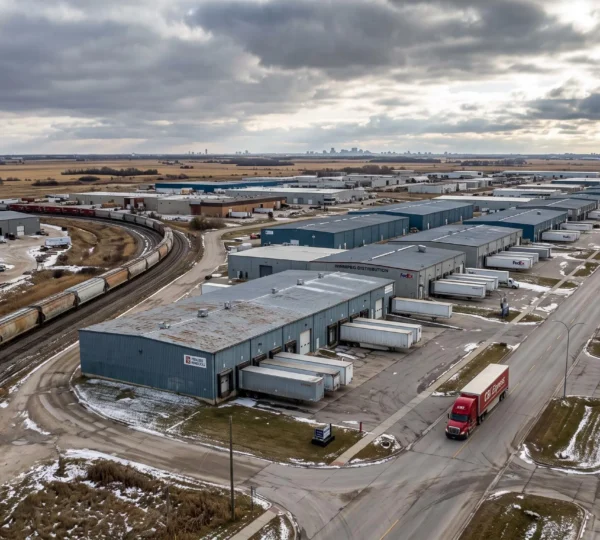
Why Are Industrial Parks Important to Winnipeg’s Business and Employment Base?
Industrial parks are important to Winnipeg because they provide the land, infrastructure and transportation connections that manufacturing, warehousing and distribution businesses need to operate efficiently. By concentrating industrial activity in designated areas, these parks also support employment, supplier networks and…
Read more
What Keeps Winnipeg Local Commerce Competitive as Shopping Habits Change?
Winnipeg neighbourhood businesses face a competitive challenge that goes beyond attracting customers through their doors. Shopping habits increasingly combine online research, convenient pickup options, price comparisons and expectations of reliable service. Independent retailers and service providers must respond while preserving…
Read more
How Do Small and Medium-Sized Enterprises Strengthen Winnipeg’s Economy?
Winnipeg’s small and medium-sized enterprises (SMEs) strengthen the local economy through more than employment. They purchase supplies, hire professional services, serve neighbourhoods, introduce new products and create commercial relationships that connect different parts of Manitoba’s economy. Their importance is visible…
Read more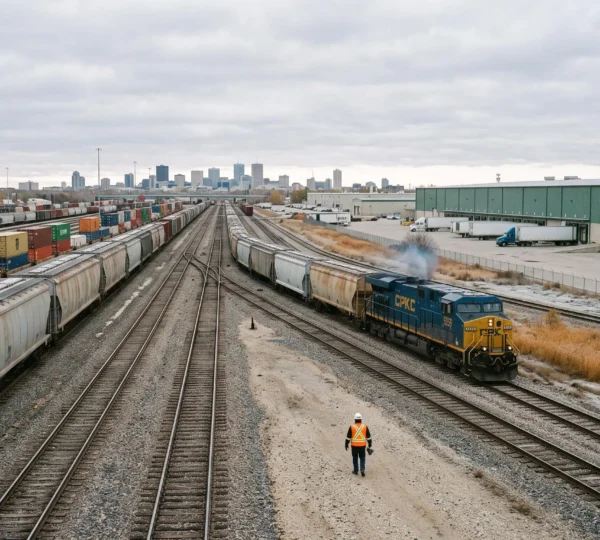
What Drives Winnipeg’s Economy and Its Resilience Through Changing Conditions?
Winnipeg’s economy draws its strength from a combination of public institutions, manufacturing, transportation, agriculture-linked industries and a broad service sector. Rather than depending on a single resource or dominant employer, Manitoba’s capital generates employment and investment through activities with different…
Read more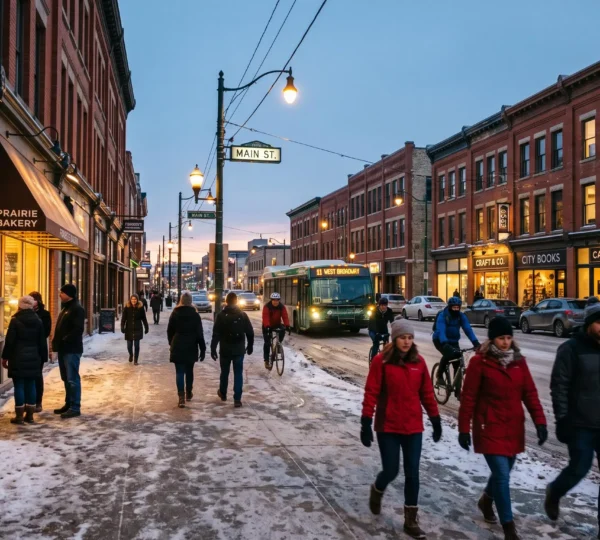
What Makes Downtown Revitalization Work for Winnipeg Residents and Businesses?
Downtown revitalization in Winnipeg works when physical investment translates into more people using the centre regularly, for more reasons and across more hours of the week. Streetscape upgrades, new housing, offices, public spaces and public funding matter, but their practical…
Read more