Environment and Climate
Understanding the environment and climate has never been more important, especially for those of us living in Canada, where the landscapes are vast, the seasons are dramatic, and the effects of a changing climate are increasingly visible. From the prairies around Winnipeg to the coasts of British Columbia, environmental questions touch our daily lives: the air we breathe, the water we drink, the food we grow, and the weather we plan around. This page serves as your starting point for exploring these topics in depth, with clear explanations and practical insights tailored to a Canadian context.
What Do Environment and Climate Actually Mean?
Although often used interchangeably in everyday conversation, environment and climate describe two different things. Think of it this way: the environment is the entire house you live in, while the climate is the long-term personality of the weather inside that house.
- Environment: Everything that surrounds us, including air, water, soil, plants, animals, and the ecosystems they form together.
- Climate: The average weather patterns measured over long periods, typically decades, such as average temperatures, rainfall, and wind patterns.
- Weather: The short-term state of the atmosphere, like tomorrow’s snowfall in Winnipeg or next week’s heat wave.
A simple analogy helps: weather is your mood today, while climate is your overall temperament over a lifetime. A single cold snap does not disprove climate change any more than one cheerful day proves you are always happy.
Why Climate Change Matters in Canada
Canada is warming at roughly twice the global average, and northern regions even faster. This is not an abstract statistic. It translates into concrete realities that Canadians observe firsthand.
Visible Changes Across the Country
- Prairie droughts and floods: Southern Manitoba has experienced both severe flooding along the Red River and prolonged droughts affecting farmers around Winnipeg and beyond.
- Melting permafrost: In northern communities, thawing ground is damaging roads, buildings, and traditional ways of life.
- Wildfire seasons: Smoke from wildfires now regularly reaches cities far from the flames, affecting air quality for millions of Canadians.
- Shrinking lake ice: Lakes such as Lake Winnipeg are seeing shorter ice seasons, affecting ecosystems and winter traditions like ice fishing.
The Greenhouse Effect, Explained Simply
Imagine the atmosphere as a blanket wrapped around the Earth. This blanket, made of gases like carbon dioxide and methane, naturally keeps our planet warm enough for life. The problem is that burning fossil fuels adds extra layers to the blanket. The result is more heat trapped near the surface, which shifts weather patterns, intensifies storms, and raises average temperatures.
Key Environmental Challenges Facing Canadians
Beyond climate change itself, several interconnected environmental issues deserve attention. Each one affects, and is affected by, the others.
Water Quality and Freshwater Systems
Canada holds a significant share of the world’s fresh water, yet water quality remains a pressing concern. Lake Winnipeg, the world’s tenth-largest freshwater lake, has faced serious problems with algal blooms driven by nutrient runoff from agriculture and urban sources. These blooms, resembling green paint spilled across the water, harm fish, tourism, and drinking water supplies.
Biodiversity and Ecosystem Loss
From prairie grasslands, some of the most endangered ecosystems in the country, to boreal forests teeming with life, Canadian biodiversity faces pressure from habitat loss, invasive species, and shifting climate zones. Pollinators like bees, which are essential to food production, are a particularly visible example of species under stress.
Air Quality and Pollution
While Canadian air quality is generally good by global standards, events like wildfire smoke and urban emissions remind us that clean air cannot be taken for granted. The Air Quality Health Index, used in cities including Winnipeg, helps residents plan outdoor activities on days when pollution levels rise.
How Climate Change Affects Daily Life in Winnipeg and Manitoba
For readers in Winnipeg, climate change is not a distant concept. The city’s continental climate, famous for its extremes, is already showing shifts that touch everyday routines.
- Longer growing seasons: Farmers in the Red River Valley can sometimes plant earlier and harvest later, though this comes with increased uncertainty and pest pressures.
- More extreme precipitation: Heavy rainfall events are becoming more intense, straining stormwater systems and raising flood risks in low-lying neighbourhoods.
- Winter changes: Fewer consistently cold days affect outdoor skating trails, snowmobiling, and the winter economy that defines prairie life.
- Energy demands: Hotter summers increase the need for cooling, while Manitoba’s hydroelectric resources play a growing role in low-carbon energy discussions.
Manitoba is in a unique position: hydroelectric power already provides most of the province’s electricity, meaning the path to reducing emissions differs from provinces dependent on fossil fuels. This local context shapes which solutions make the most sense here.
What Can Be Done? From Global Goals to Local Action
The scale of environmental challenges can feel overwhelming, but progress happens at every level, from international agreements to personal choices on your street.
Global and National Efforts
- International agreements: Countries worldwide, including Canada, have committed to reducing greenhouse gas emissions under frameworks agreed at global climate conferences.
- National policies: Carbon pricing, clean energy investments, and conservation programs form part of Canada’s approach to meeting its climate commitments.
- Provincial and municipal action: Cities like Winnipeg develop climate action plans covering transit, building efficiency, and green infrastructure.
Practical Steps for Individuals
Individual action matters most when it connects to broader systems. Here is a realistic checklist for getting started:
- Reduce home energy use: Better insulation, programmable thermostats, and LED lighting cut emissions and save money, especially valuable in Winnipeg’s cold winters.
- Rethink transportation: Walking, cycling, carpooling, or choosing electric vehicles where feasible reduces your carbon footprint.
- Support local food systems: Buying from Manitoba farmers’ markets shortens supply chains and strengthens community resilience.
- Conserve water: Rain barrels, efficient fixtures, and mindful lawn care reduce pressure on municipal systems.
- Stay informed and engaged: Following local environmental groups and public consultations gives you a voice in decisions that shape your community.
The Power of Collective Action
A single raindrop may seem insignificant, yet rain shapes entire landscapes. Similarly, individual choices matter most when multiplied across a community. Neighbourhood composting programs, school greening initiatives, and citizen science projects monitoring local waterways all demonstrate how small efforts accumulate into meaningful change.
Looking Ahead: Hope, Resilience, and Adaptation
Adapting to a changing climate and protecting the environment are not the same as giving up on progress. Around Canada, communities are showing what resilience looks like: flood-proofed infrastructure along the Red River, restored wetlands that naturally absorb excess water, and urban forests that cool streets and clean the air. Adaptation, preparing for changes already underway, works hand in hand with mitigation, reducing the emissions that drive further change.
The path forward combines knowledge, practical action, and optimism. By understanding the connections between climate systems, ecosystems, and our daily choices, every reader becomes better equipped to participate in building a sustainable future, whether that means planting a tree, voting with environmental priorities in mind, or simply learning more about the natural world around us.
This page will continue to serve as your hub for exploring environment and climate topics, connecting you with deeper articles and practical resources as they become available. Welcome to the conversation.
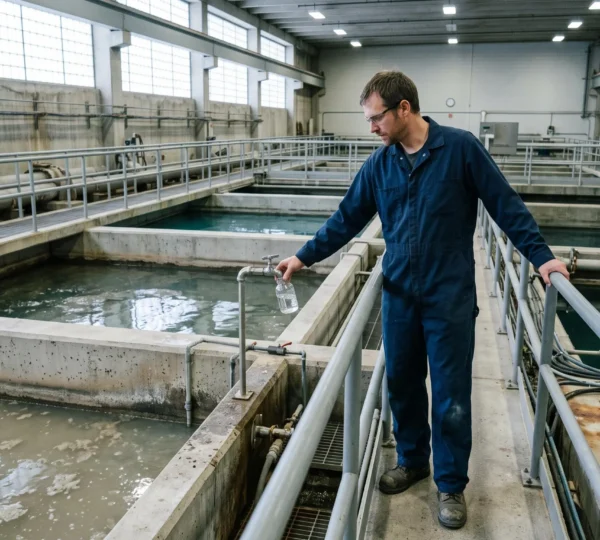
How Does Winnipeg Treat Drinking Water Before It Reaches Your Tap?
Winnipeg’s drinking water begins its journey at Shoal Lake and undergoes several treatment processes before reaching household taps. At the Deacon Reservoir treatment facility, operators use particle removal, ozonation, biological filtration, chlorine and ultraviolet disinfection to address different water quality…
Read more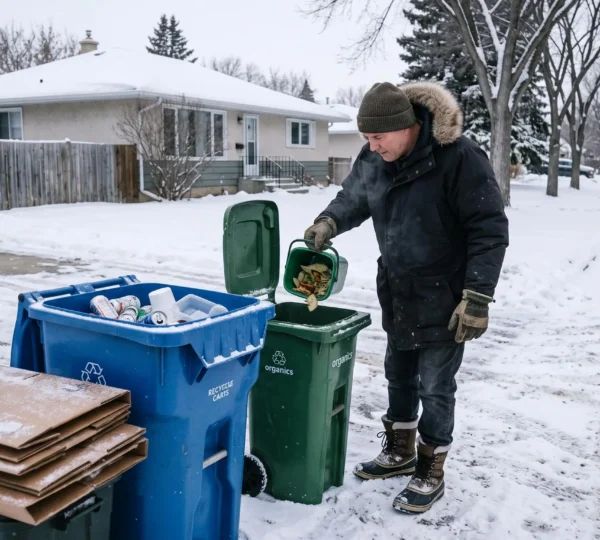
How Can Winnipeg Residents Get More Value From Recycling and Composting Programs?
Winnipeg households can get more value from recycling and composting programs by separating accepted materials correctly, keeping contaminants out of collection streams, and using the appropriate municipal service for each type of waste. A few consistent household habits can make…
Read more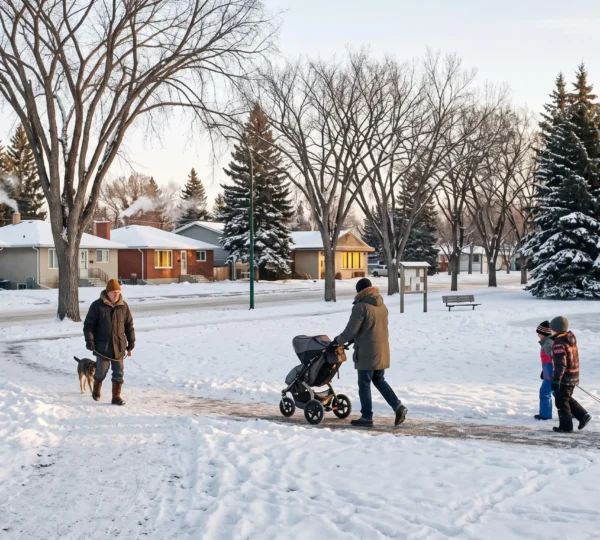
What Makes a New or Improved Winnipeg Public Park Useful to Its Community?
A useful Winnipeg public park is not necessarily the largest, newest or most heavily equipped. It is a place residents can reach safely, use comfortably throughout the year and incorporate into ordinary neighbourhood life. Its success depends on how well…
Read more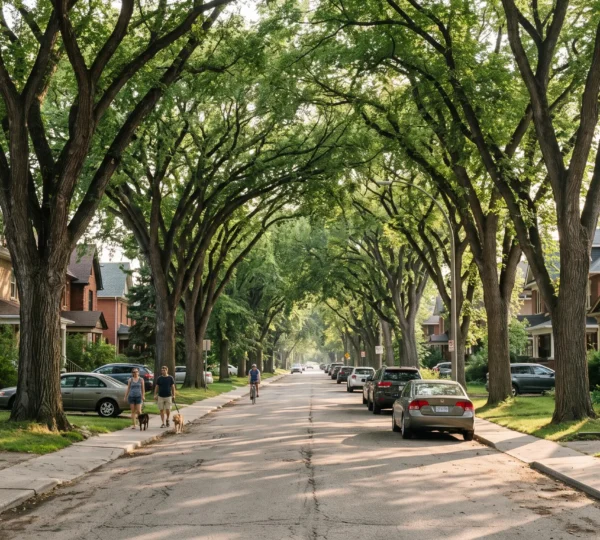
How Can Winnipeg Preserve Its Urban Forest as the City Changes?
Winnipeg’s urban forest is more than a collection of trees. It is living infrastructure that cools neighbourhoods, manages rainfall, shelters wildlife and makes streets more comfortable for walking. Yet the same mature canopy that defines many established neighbourhoods faces pressure…
Read more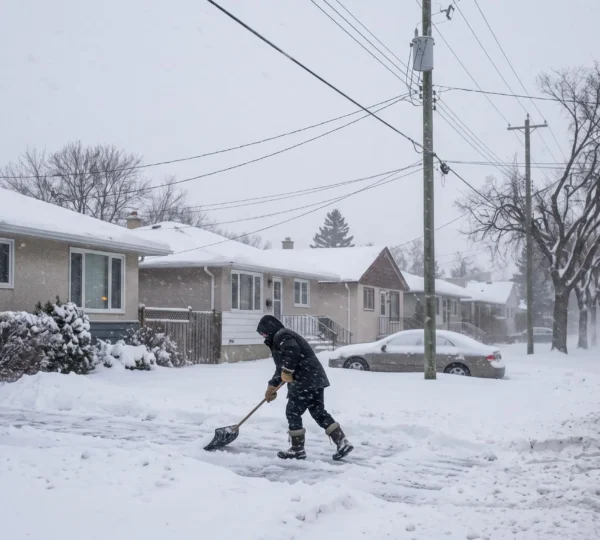
How Can Winnipeg Households Prepare for Heavy Snowfall Before Travel Becomes Difficult?
Heavy snowfall can change daily life in Winnipeg long before a street becomes completely blocked. A vehicle buried in a driveway, an uncleared back lane, reduced visibility or a delayed bus can turn an ordinary commute into a difficult journey….
Read more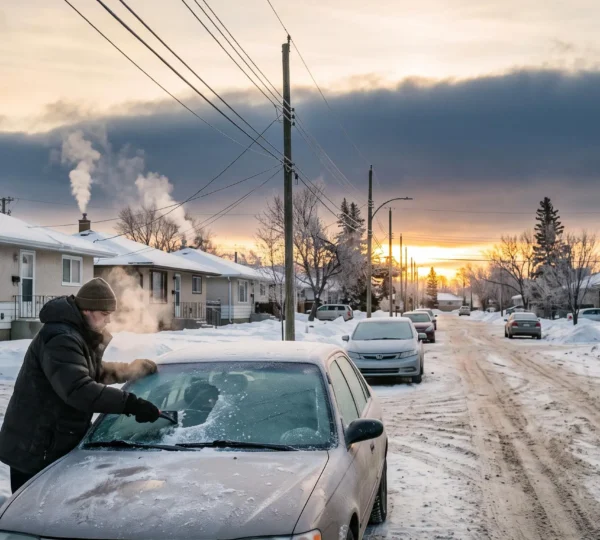
How Can Winnipeg Residents Prepare for Extreme Temperature Swings?
Winnipeg residents can prepare for extreme temperature swings by monitoring when conditions will change, protecting vulnerable household systems, adjusting clothing for wind exposure and reconsidering travel whenever roads may freeze or visibility deteriorates. The most important preparation often happens before…
Read more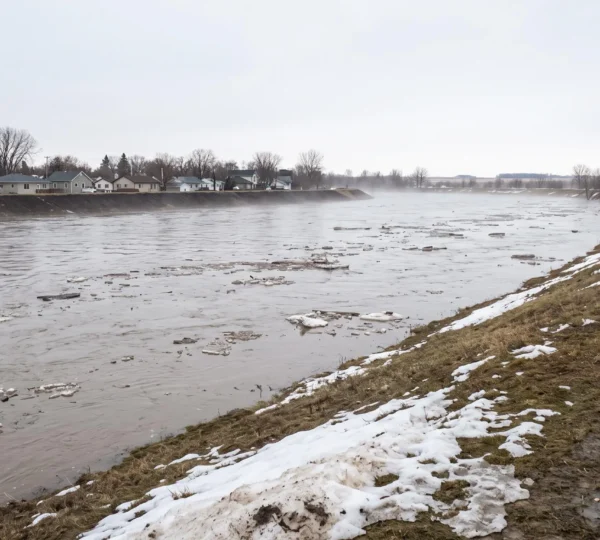
How Does Red River Spring Flooding Affect Winnipeg and How Can Residents Prepare?
Red River spring flooding affects Winnipeg through rising river levels, possible overland flooding, pressure on flood-control infrastructure and disruptions to transportation. Even when the river remains within its banks, melting snow, saturated ground and overwhelmed drainage systems can cause water…
Read more