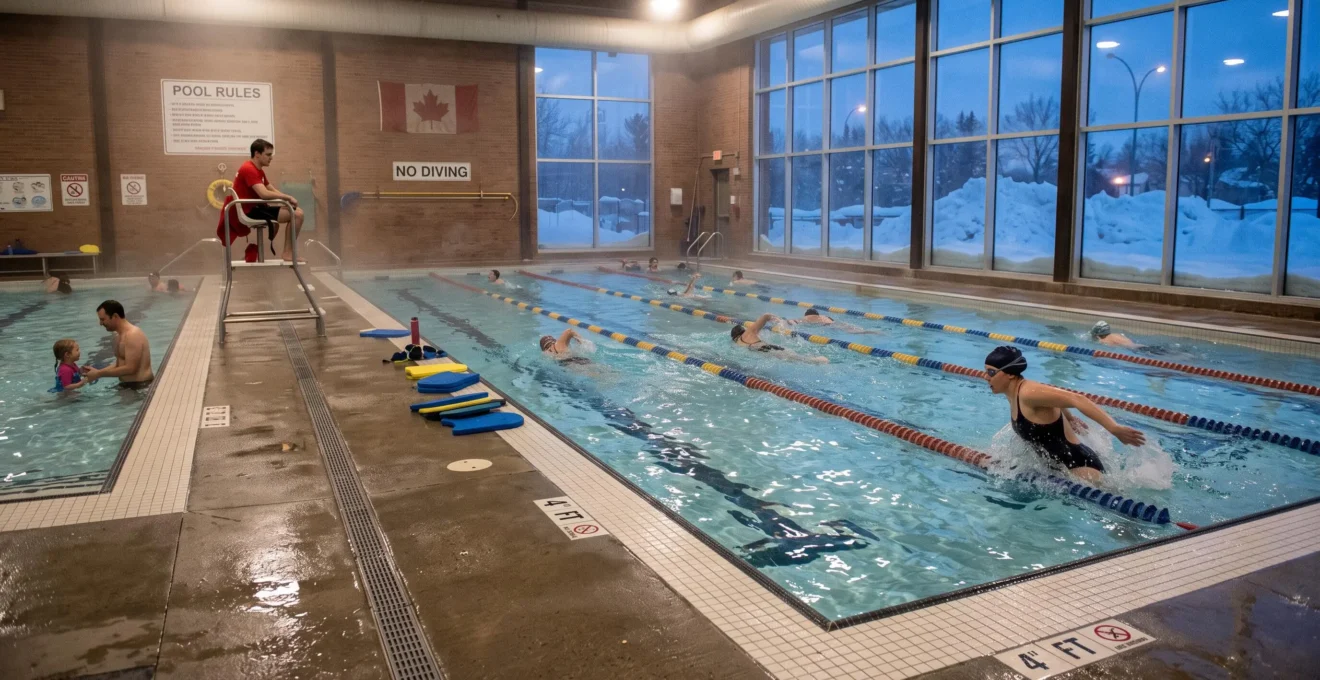
Finding the right recreation facility in Winnipeg means looking beyond the nearest swimming pool, gym, arena, or sports field. A facility may offer excellent equipment or attractive programs, but it only becomes useful when its location, opening hours, admission rules, and seasonal availability fit your everyday life.
Winnipeg’s long winters and warm, sometimes humid summers make this decision especially important. Outdoor skating, cycling, and field sports may work well during their respective seasons, while indoor pools, fitness centres, and community facilities provide alternatives when weather changes. Families must also consider program registration, children’s activities, transportation, and household costs.
The strongest approach is to start with the activities you enjoy, identify when you can realistically participate, and compare facilities around those constraints. Whether you want a weekly lane swim, recreational hockey, affordable family activities, or a flexible exercise routine, the best choice is usually the one you can keep using throughout the year.
Quick guide to choosing Winnipeg recreation facilities
- Prioritize convenience: compare actual travel time, operating hours, program availability, and admission costs before choosing a facility.
- Plan for every season: combine a dependable indoor activity with outdoor recreation when Winnipeg’s weather allows.
- Test before committing: try a drop-in session, check registration requirements, and confirm that your schedule supports regular attendance.
- Why Does the Right Recreation Facility Matter for Staying Active in Winnipeg?
- How Can You Compare Winnipeg Recreation Facilities Before Choosing One?
- Indoor or Outdoor Recreation: Which Works Better for Your Winnipeg Routine?
- Recreation Facility Choice Mistakes That Can Disrupt Your Winnipeg Routine
- When Should You Book Winnipeg Recreation Programs or Facilities?
- How Can You Find a Winnipeg Recreation Activity That Fits a Busy Schedule?
- Sports Amenities or Quiet Green Space: What Should a Winnipeg Park Prioritize?
- Which Recreational Activities Fit Busy Adults in Winnipeg?
Why Does the Right Recreation Facility Matter for Staying Active in Winnipeg?
The right Winnipeg recreation facility makes staying active easier by matching your preferred activities with realistic travel times, operating hours, costs, and seasonal conditions. Because Winnipeg experiences substantial changes in weather throughout the year, choosing a facility that remains accessible during winter can help you maintain an exercise routine instead of repeatedly starting over.
A convenient facility removes obstacles that otherwise accumulate during a busy week. Consider two hypothetical choices: a modern gym requiring a 30-minute drive and a smaller fitness centre located 10 minutes from home. If both provide the equipment you need, the closer option may be easier to visit consistently, particularly after work or during winter road conditions.
However, proximity alone does not guarantee a good fit. A nearby pool with limited lane-swimming hours may be less useful than one farther away with sessions that match your schedule. Similarly, an arena offering public skating may not meet the needs of someone looking for organized hockey or recurring ice rentals.
Choose for your routine rather than a single visit. Before purchasing a pass, map out when you would actually use the facility. Check whether those sessions are available throughout the season, whether classes require registration, and whether access is likely to change during holidays or maintenance periods.
Costs also matter. A monthly or annual membership that goes unused can become more expensive per visit than occasional drop-in admission. For example, a hypothetical $60 monthly membership used twice costs $30 per visit, while the same membership used ten times costs $6 per visit. The calculation is simple, but it highlights why realistic attendance matters more than an ambitious fitness plan.
For families, suitability may also involve accessible changing rooms, age-appropriate programming, and the possibility of coordinating several household activities at one location. A facility that solves multiple scheduling problems can be more practical than one offering a longer list of amenities.
Once you know which obstacles could interrupt your routine, you can compare Winnipeg recreation facilities using criteria that reflect how you will actually use them.
How Can You Compare Winnipeg Recreation Facilities Before Choosing One?
Compare Winnipeg recreation facilities by examining their actual activity schedules, admission options, equipment, travel requirements, and accessibility rather than relying on amenities alone. Municipal leisure centres, YMCA-YWCA facilities, private gyms, and community facilities serve different needs. The most useful comparison tests whether each location supports your preferred activity at a time and cost you can sustain.
Winnipeg residents can begin with City-operated recreation facilities, then compare relevant YMCA-YWCA and private options. The City of Winnipeg offers Facility Passes covering admission to participating indoor and outdoor pools and fitness and leisure centres, although some facilities have different admission arrangements.
According to the City of Winnipeg Facility Pass information, adult pass prices listed for 2026 are $161.70 for three months, $292.61 for six months, and $532.01 for one year. These prices should be confirmed before purchasing, and a Facility Pass should not be assumed to include registered lessons, arena rentals, or every municipal recreation service.
Different facility types have different strengths. The following comparison helps identify which questions to ask before choosing.
| Facility option | Potential advantages | What to verify |
|---|---|---|
| City pools and fitness or leisure centres | Municipal admission options, swimming, exercise equipment, and access to participating facilities | Pass coverage, lane-swim schedules, drop-in rules, and registered-program fees |
| YMCA-YWCA facilities | Potential combination of fitness, swimming, and family-oriented programming | Location-specific amenities, membership conditions, child or youth programs, and current schedules |
| Private gyms | Equipment-focused training and potentially extended operating hours | Staffed versus member-access hours, contracts, cancellation rules, and peak-time crowding |
| Community centres and arenas | Neighbourhood programs, organized sports, skating, and community recreation | Seasonal activities, registration requirements, ice availability, and rental arrangements |
| Public parks and outdoor facilities | Walking, running, informal recreation, and seasonal sports | Available infrastructure, conditions, permitted uses, and maintenance |
Libraries can also support an active household by providing information about community activities and resources, but they should not be treated as equivalent to pools or gyms. Confirm specific programs and facilities rather than assuming recreational amenities are available at every branch.
A trial visit is one of the most useful comparison tools. Attend a drop-in session, where available, at the same time you would normally exercise. A facility that seems quiet on a weekday morning may feel very different after school or during the evening rush.
Use the visit to observe equipment availability, changing-room arrangements, staff assistance, parking, and overall accessibility. If you rely on Winnipeg Transit, check the journey at your expected departure time. Winter travel and snow-clearing conditions should also form part of your decision.
Ask staff to distinguish general facility admission from access to scheduled or registered activities. A membership may permit fitness-centre use without guaranteeing a place in swimming lessons, fitness classes, or other capacity-limited programs.
Five checks before choosing a Winnipeg recreation facility
- Define your activity: write down your preferred sport or exercise and two acceptable alternatives.
- Identify available time: create a weekly schedule showing two realistic exercise windows and the time available for travel.
- Shortlist facilities: record three suitable locations with their relevant operating hours, activities, and admission requirements.
- Compare actual costs: prepare a simple monthly cost estimate based on your expected visits, including admission and transportation.
- Test your preferred option: complete a trial visit or speak with facility staff, then record whether access, crowding, and travel met your needs.
A well-matched facility should make participation feel manageable. The next decision is how much of your routine should depend on indoor access rather than Winnipeg’s changing outdoor conditions.
Indoor or Outdoor Recreation: Which Works Better for Your Winnipeg Routine?
For most Winnipeg residents, combining indoor and outdoor recreation is more practical than choosing only one. Indoor pools, gyms, and arenas can provide dependable activity during difficult weather, while parks, trails, cycling routes, and seasonal skating opportunities add variety. The ideal balance depends on whether you need a fixed schedule or can adjust your activity around conditions.
Outdoor recreation has clear attractions. Walking, running, cycling, and informal park activities can be inexpensive and require little advance planning. Winnipeg’s green spaces also provide room for social activity, family outings, and exercise that does not depend on a membership.
However, outdoor access changes with the seasons. Extreme cold, icy surfaces, shorter winter daylight hours, and summer heat or humidity can make some activities uncomfortable or unsuitable. Equipment, appropriate clothing, and route conditions also affect what is practical.
An indoor facility offers a more controlled environment, but that predictability has trade-offs. You may need to pay admission, travel to a particular location, reserve a space, or work around public programming. Indoor capacity and schedules can still change, so indoor recreation is not automatically available whenever you want it.
A useful decision rule is to ask whether your activity must happen at a specific time. If you are training for an event, attending a scheduled class, or coordinating children’s lessons, reliable indoor access may deserve priority. If your main goal is simply to move regularly and your timetable is flexible, outdoor options may provide more freedom.
For example, someone who enjoys running could use park paths during comfortable weather and switch to indoor cardio training when conditions become hazardous. A family might enjoy summer cycling, winter skating at a maintained outdoor rink, and swimming throughout the year.
Winnipeg’s river skating routes require particular care. Availability depends on seasonal opening decisions and maintained conditions. Never assume that frozen natural water is safe simply because temperatures have been low. Use designated, officially opened routes and check current conditions before heading out.
The City of Winnipeg’s overview of local parkland reports more than 1,000 parks and over 3,500 hectares of parkland. It also describes parks as open year-round, although individual amenities and activities remain subject to their own seasonal conditions.
1,000+
Parks reported by the City of Winnipeg in 2026. The figure describes the municipal park network, not the number of parks equipped for every sport or activity.
The practical solution is to establish one dependable indoor activity and add outdoor recreation when conditions permit. This gives you alternatives without requiring every activity to remain available throughout the year.
A seasonal plan becomes most effective when you also recognize the common choices that can undermine participation, even when a facility initially seems suitable.
Recreation Facility Choice Mistakes That Can Disrupt Your Winnipeg Routine
The most disruptive recreation facility mistakes in Winnipeg involve choosing based on current conditions without checking future availability, purchasing memberships before testing attendance, and assuming attractive amenities are accessible whenever needed. Seasonal program changes, winter transportation, and registration limits can turn a seemingly convenient facility into an expensive or impractical choice.
One common mistake is planning only for the current season. A summer exercise routine built around an outdoor sports field might not transfer easily into winter. Likewise, a facility that operates certain programs during one registration cycle may not offer identical sessions in the next.
Before committing, ask what happens when the season changes. Does your chosen activity continue indoors? Will you need a different facility? Are the same session times expected to remain available? A backup option helps prevent a complete interruption.
Another mistake is confusing advertised amenities with usable access. A centre may have a pool or fitness studio, but scheduled lessons, lane swimming, public sessions, and maintenance can restrict when those spaces are available. Registered programs may also reach capacity.
For families, this can create scheduling problems. A parent may purchase access assuming that a child’s lesson and an adult workout can happen together, only to find that suitable programs operate at different times. Confirming actual session availability beforehand avoids that mismatch.
The winter commute presents another risk. A location that seems reasonably close during dry summer conditions may become harder to reach during snowfalls, icy roads, or disrupted transit service. Evaluate the route you will realistically use, not only the distance shown on a map.
Overcommitting financially is equally avoidable. Longer contracts or multi-month registrations can make sense for established routines, but they are less suitable when you have not yet confirmed attendance. Review cancellation terms, payment arrangements, and any activity-specific charges before signing up.
Finally, do not assume that expensive equipment or a newer building automatically offers greater value. A modest, well-located facility with suitable opening hours can be a better everyday choice than a highly equipped venue you rarely reach.
Even after finding a suitable location, program registration and facility booking rules may determine whether your preferred activity is available when you need it.
When Should You Book Winnipeg Recreation Programs or Facilities?
Book Winnipeg recreation activities according to the type of access you need. Registered City programs follow published seasonal registration dates, drop-in sessions depend on scheduled availability and capacity, and facility rentals have separate procedures. Popular or time-sensitive activities should be planned as soon as relevant registration information becomes available rather than left until the first session.
The City of Winnipeg publishes Leisure Guide information for its recreation programs, with registration opening on announced dates. For the Fall 2026/Winter 2027 cycle, the guide was released on August 13, 2026, registration for Winnipeg residents opened on August 25, and non-resident registration began August 27.
These are dates for that specific cycle, not a permanent calendar for future registrations. Residents should consult the City of Winnipeg Leisure Guide registration-day instructions for the relevant program cycle and preparation steps.
It helps to distinguish the main types of recreation access.
| Access type | Typical planning approach | Important limitation |
|---|---|---|
| Registered programs | Review the seasonal guide, identify registration dates, and prepare alternate classes | Places may fill, and programs have set schedules |
| Drop-in activities | Check the current schedule before visiting | Capacity restrictions, schedule changes, or session-specific rules may apply |
| Seasonal facility rentals | Check the application period well before the intended season | Availability and procedures depend on the facility and activity |
| Casual ice rentals | Search available dates and times through the appropriate booking system | Available slots vary and may not match preferred times |
Ice rentals illustrate why advance planning matters. City of Winnipeg seasonal ice rentals cover recurring weekly slots from October through March, with applications and renewals beginning in spring. Casual fall and winter ice rentals follow a different availability-based process.
For municipal arena ice rentals, rates effective July 1, 2026, list adult prime-time seasonal ice at $367.13 per hour and casual ice at $197.21 per hour. These are specific rental categories, not standard public-skating admission prices. The City’s arena rental information identifies leisureONLINE’s Facility openings calendar as a way to check casual ice availability.
Swimming lessons, children’s programs, and organized team activities may require particular attention because capacity and timing can affect enrollment. However, there is no universal rule that one activity always sells out first. Check the demand and availability of the exact session you want.
If your preferred class is full, look for a wait-list option and identify a second choice. The City advises residents to select alternatives and monitor leisureONLINE for additional classes. Drop-in sessions, when available and suitable, can provide an interim activity until another registered session becomes possible.
Registration secures an opportunity, but lasting participation still depends on whether that opportunity fits your actual work, household, and travel commitments.
How Can You Find a Winnipeg Recreation Activity That Fits a Busy Schedule?
Start with the time you genuinely have available, then select a Winnipeg recreation activity that fits it. Short drop-in sessions, walking routes, swimming, and flexible gym access can accommodate changing schedules, while classes and leagues provide more structure. Include travel, changing, childcare, and preparation time when deciding whether an activity is realistic.
A scheduling-first approach works better than choosing an appealing activity and attempting to force it into an already crowded week. Begin by identifying two or three recurring opportunities, such as an early morning, a lunch break, a weekday evening, or a weekend afternoon.
Next, separate your available time from your exercise time. A 45-minute lunch break does not necessarily allow for a 45-minute swim if reaching the pool, changing, and returning to work take additional time.
Activities with minimal setup are useful when time is limited. Walking, running, short bodyweight workouts, and nearby gym sessions can be completed in relatively small windows. Swimming, skating, and team sports may require more time because they involve travel, equipment, scheduled access, or coordination with others.
For an unpredictable work schedule, prioritize options with low commitment. Outdoor walks or runs can be adjusted to suitable weather. Gyms offering extended or 24-hour member access may also work, although actual access conditions must be verified for the specific location.
Registered classes and recreational leagues offer a different advantage: a scheduled commitment. Knowing that a session occurs every Tuesday evening can support a consistent routine, particularly for people who prefer exercising with others. The trade-off is reduced flexibility when work or family demands change.
Example: Building a realistic activity schedule
Consider a hypothetical Winnipeg parent who finishes work at 5:30 p.m., manages evening household responsibilities, and has limited uninterrupted free time. A recreation centre across the city might offer excellent programs, but the commute makes weekday attendance difficult.
A more workable routine could combine one weekend drop-in swim, two 30-minute neighbourhood walks, and a short home workout when weather or childcare prevents travel. This example illustrates how scheduling flexibility can matter more than access to additional amenities; it is not a documented participant outcome.
Households can also look for facilities offering children’s activities alongside adult programs. If schedules overlap and participation rules permit, coordinating sessions at one site may reduce separate trips. Family admission or pass options can be worth investigating, but the price and eligibility should be checked against expected use.
A final consideration is the possibility of disruption. If your preferred activity is cancelled or your working hours change, have a shorter alternative available. Maintaining a modest routine is usually more practical than requiring every workout to happen under ideal conditions.
Flexible scheduling also affects how residents use public parks, where the balance between organized sports facilities and quieter recreation areas shapes neighbourhood opportunities.
Sports Amenities or Quiet Green Space: What Should a Winnipeg Park Prioritize?
A Winnipeg park should balance organized sports amenities and quieter green space according to the needs of the surrounding neighbourhood. Courts, fields, and rinks support specific activities, while open lawns, walking paths, and natural areas allow broader informal use. The most suitable balance depends on nearby facilities, accessibility, seasonal demand, and community priorities.
This is more than an individual preference. Public parks are shared neighbourhood resources, and land allocated to one use may not be available for another. Adding a sports court can create a dedicated activity space, while retaining an open field may accommodate walking, informal games, gatherings, and unstructured play.
Sport-focused infrastructure is particularly useful where residents lack accessible places to play organized games. Baseball diamonds, soccer fields, outdoor rinks, and courts provide spaces that may be difficult to replace with ordinary open lawns. They can also support community programming and recreational leagues.
However, dedicated sports facilities have limits. Some are most useful during particular seasons, require maintenance, or accommodate scheduled activities that restrict informal use. A park dominated by specialized infrastructure may leave less space for people seeking quiet walking areas or flexible family recreation.
Passive green space serves a different role. Paths, trees, seating areas, and open lawns can support everyday movement across different ages and abilities. Walking, nature observation, informal play, and seasonal activities may coexist without requiring a formal team or registered program.
To evaluate a local park, look first at what already exists within reasonable walking or transit distance. If a neighbourhood has several usable sports fields but few quiet paths, preserving natural space may fill a larger gap. If organized sports facilities are scarce, an additional court or rink may improve practical access to those activities.
Seasonal use should also influence the discussion. A summer sports field and a maintained winter recreation area serve different patterns of activity. Likewise, walking paths may remain useful across seasons, depending on their condition and winter maintenance.
Residents interested in proposed park changes can review City of Winnipeg park information, neighbourhood plans, and public engagement opportunities when available. Community consultation can provide a way to explain where existing facilities work well and where important gaps remain.
Constructive feedback is more useful when it identifies a specific need: safer walking access, affordable recreation space, an accessible path, additional seating, or facilities for a sport that is poorly served nearby. These observations help move the discussion beyond a simple choice between sports and greenery.
Whether your neighbourhood offers dedicated sports amenities or flexible outdoor spaces, the final question is which activities you can realistically build into your own weekly routine.
Key takeaways before choosing an activity
- Match the activity to your main constraint: limited time calls for easy access, while difficulty maintaining motivation may favour organized classes or teams.
- Build in a seasonal alternative: choose an indoor option that remains practical when outdoor conditions interfere with your preferred activity.
- Start with evidence from your own routine: regular attendance during a low-cost trial is more informative than how appealing an activity looks in a program description.
Which Recreational Activities Fit Busy Adults in Winnipeg?
Busy adults in Winnipeg can often maintain an active routine through flexible gym workouts, lane swimming, walking, running, or short home-based sessions. Those who prefer structured commitments may benefit from registered fitness classes or recreational sports leagues. The best activity is affordable, enjoyable, accessible within available time, and adaptable to Winnipeg’s changing seasons.
There is no single activity that suits every adult. Work patterns, family responsibilities, transportation, physical ability, and personal preferences all influence which options remain realistic. Instead of looking for the most demanding or impressive program, choose an activity that fits your actual week.
The following categories provide a practical starting point.
| Schedule or priority | Suitable activities | Main consideration |
|---|---|---|
| Changing work hours | Walking, running, flexible gym sessions, home workouts | Easy to rearrange, but requires self-management |
| Predictable weekly evenings | Fitness classes, recreational volleyball, organized hockey | Provides structure but depends on program or league schedules |
| Short exercise windows | Bodyweight workouts, neighbourhood walks, short cardio sessions | Minimal preparation makes participation easier |
| Preference for low-impact exercise | Swimming, suitable fitness classes, walking | Check individual needs, session availability, and accessibility |
| Lower-cost recreation | Park walking, running, suitable outdoor rinks, home exercise | Equipment, weather, and any site-specific charges still matter |
| Social motivation | Team leagues, group fitness, masters swimming where available | Registration, team coordination, and attendance commitments |
Flexible activities are especially useful for adults whose work or family schedules change from week to week. Walking and running require relatively little planning, while accessible gym sessions can provide an indoor alternative during poor weather. Swimming can also fit a flexible routine when suitable lane-swim sessions are available.
Structured recreation offers different benefits. Joining a recreational hockey or volleyball league creates a regular meeting time and the opportunity to participate with others. Group fitness and organized swimming can provide similar accountability. However, fixed schedules may become difficult to maintain during demanding periods at work or home.
Cost-conscious adults can combine public outdoor recreation with occasional paid sessions. A weekly pool visit and regular neighbourhood walks, for example, may provide enough variety without requiring multiple memberships. Outdoor options are not automatically free, so confirm any admission or equipment expenses before relying on them.
A sustainable four-season approach might include a fitness centre or pool as an indoor anchor, outdoor walking or cycling during suitable weather, and occasional winter skating on maintained, officially available surfaces. The intention is not to participate in everything, but to preserve useful choices when one option becomes unavailable.
Start with one low-cost, low-commitment activity and repeat it for several weeks. Note how often you attend, what prevents participation, and whether you enjoy the activity enough to continue. Once the routine is established, consider whether a membership, registered class, or sports league would add meaningful value.
Residents eligible for municipal financial assistance should also investigate the City of Winnipeg’s Recreation Fee Assistance Program. The City’s Facility Pass information describes free rechargeable 10-visit passes for eligible households, subject to program requirements.
Choose one realistic activity window this week, identify a Winnipeg facility or outdoor location that fits it, and try the activity before committing to a longer program. A routine that works on ordinary busy days is a stronger starting point than an ambitious plan that depends on perfect conditions.
Can one City of Winnipeg Facility Pass be used at multiple recreation centres?
Yes. The City of Winnipeg Facility Pass provides admission to participating municipal indoor and outdoor pools and fitness and leisure centres. Coverage includes activities such as public swimming, lane swimming, and fitness-centre use where available. Some facilities have different admission arrangements, and registered programs or rentals should not be assumed to be included.
Are Winnipeg recreation facilities accessible to people with different mobility needs?
Accessibility features vary by facility and activity. Before visiting, contact the location to confirm relevant details such as accessible entrances, changing areas, washrooms, pool access, and equipment. Checking your specific needs directly is more reliable than assuming every recreation centre provides the same accessibility features.
What should I do if my preferred Winnipeg recreation class is full?
For City of Winnipeg Leisure Guide programs, check whether you can join the wait list and look for alternative classes. The City also advises monitoring leisureONLINE for additional opportunities. If suitable, a drop-in activity can help maintain your routine while you look for another registered session.
How can families reduce the cost of using Winnipeg recreation facilities?
Compare admission fees with the expected number of visits, investigate relevant family or multi-visit options, and use suitable public outdoor recreation where possible. Eligible households can also investigate the City of Winnipeg Recreation Fee Assistance Program, which includes rechargeable 10-visit passes under its stated conditions. Check current eligibility and application requirements before planning around assistance.
Do Winnipeg outdoor recreation facilities remain available throughout winter?
Winnipeg parks are generally open year-round, but individual amenities do not necessarily operate in every season. Outdoor rink availability, maintained skating routes, sports fields, and trail conditions depend on weather, maintenance, and specific operating decisions. Confirm that an activity is officially available and safe before visiting, and keep an indoor alternative for unsuitable conditions.