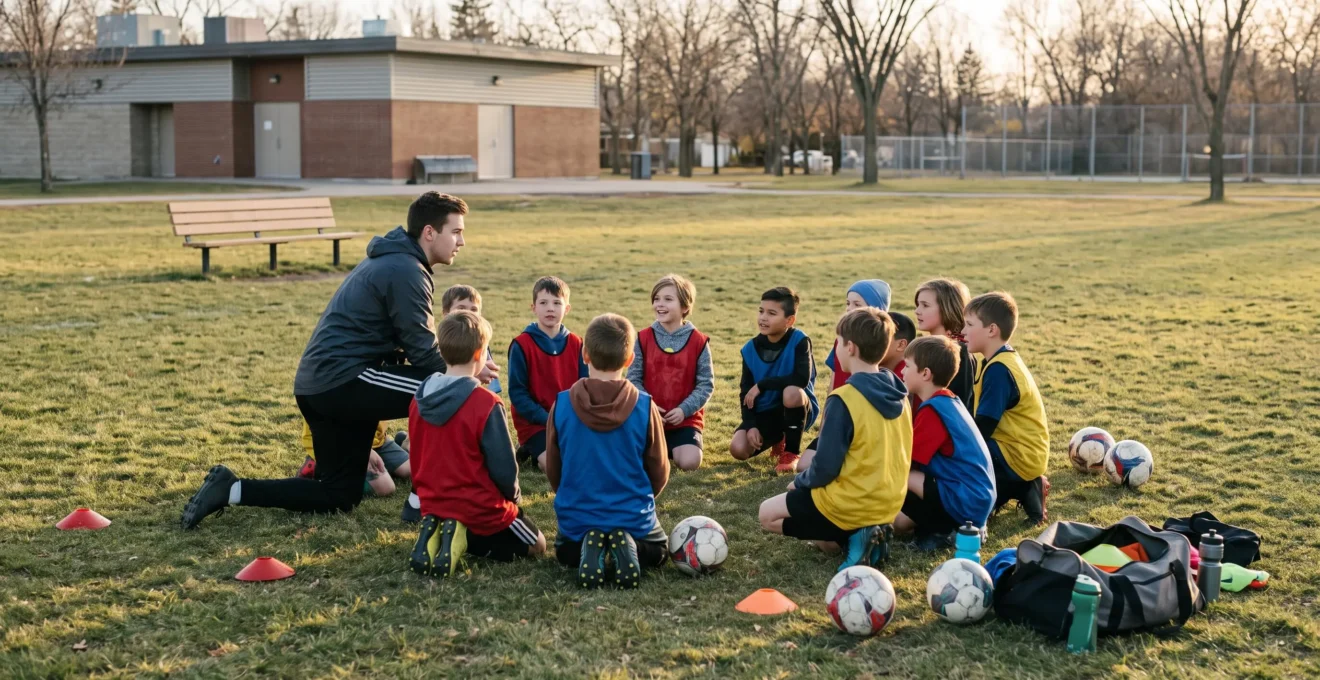
A child who looks forward to practice, feels comfortable making mistakes and wants to return next season is gaining something valuable from sport. In Winnipeg, youth sports programs can support physical skills, confidence, friendships and healthy routines without making competition the centre of every experience.
The difference often lies in how adults define progress. A child learning to skate, pass a soccer ball or work with basketball teammates benefits from appropriate challenges, patient instruction and opportunities to participate. Winning can be exciting, but it should not determine whether that child feels successful.
Winnipeg families can choose among neighbourhood community-centre activities, recreational programs and more demanding competitive pathways. Finding the right fit involves more than selecting a sport: coaching quality, accessibility, seasonal commitments and a child’s own motivation all matter.
A development-focused approach allows ambitions to grow naturally while preserving the enjoyment that makes continued participation possible.
Winnipeg youth sports: essential considerations for families
- Prioritize enjoyment, belonging and age-appropriate skill development before results or rankings.
- Choose programs according to the child’s interests, readiness, coaching environment and total family commitment.
- Prevent unnecessary pressure through balanced schedules, accessible facilities and regular conversations about the child’s experience.
- Why Does Enjoyment Matter So Much in Winnipeg Youth Sports?
- How Can Parents Choose a Winnipeg Youth Sports Program That Fits Their Child?
- Recreational or Competitive Sports: Which Path Fits a Winnipeg Child Better?
- Youth Sports Mistakes That Can Lead to Burnout in Winnipeg Children
- When Is a Young Athlete Ready for a More Competitive Winnipeg Program?
- Participation Barriers That Can Weaken Winnipeg Community Sports Programs
- How Can You Compare Winnipeg Recreation Facilities Before Choosing One?
- How Does Community Engagement in Sports Strengthen Winnipeg Neighbourhoods?
Why Does Enjoyment Matter So Much in Winnipeg Youth Sports?
Enjoyment matters because children are more likely to want to continue activities that make them feel capable, connected and involved. In Winnipeg youth sports, positive experiences can encourage children to practise skills, form friendships and remain interested in physical activity. Fun is not the opposite of learning; it creates conditions that make learning worth pursuing.
A child who enjoys soccer may practise passing independently because improvement feels rewarding. Another child may attend basketball sessions primarily to see friends, gradually developing coordination and teamwork along the way. Both motivations can support meaningful participation.
Development becomes more sustainable when children experience three important elements:
- Autonomy: opportunities to express preferences, make decisions and participate willingly.
- Competence: challenges that are achievable with effort, guidance and practice.
- Belonging: relationships with teammates and instructors that make children feel included.
Canada’s Sport for Life Long-Term Development framework emphasizes positive early experiences, physical literacy and developmentally appropriate activities. Its FUNdamentals stage specifically highlights enjoyable, inclusive and multisport participation.
This approach distinguishes intrinsic motivation, such as wanting to improve or spend time with teammates, from extrinsic motivation, such as seeking trophies, recognition or parental approval. External rewards are not inherently harmful, but problems can arise when they become the only reason a child participates.
Parents sometimes worry that reducing pressure means accepting weaker effort. Yet meaningful standards can remain: listening to coaches, treating teammates respectfully and practising consistently are all reasonable expectations. The distinction is between encouraging effort and demanding outcomes.
Children’s behaviour can provide useful clues. Talking enthusiastically about teammates, asking when the next practice begins or voluntarily repeating a new skill may suggest positive engagement. Frequent reluctance, distress before sessions or fear of disappointing adults deserve a conversation rather than immediate assumptions about motivation.
None of these behaviours is a definitive diagnostic test. Fatigue, school demands and ordinary disagreements can also influence enthusiasm.
As children become more confident, they may naturally seek greater challenges. The aim is to preserve their sense of ownership while helping them discover what they are capable of achieving.
How Can Parents Choose a Winnipeg Youth Sports Program That Fits Their Child?
Parents can choose a suitable Winnipeg youth sports program by starting with their child’s temperament, interests, developmental needs and available time. A supportive program offers appropriate instruction, meaningful participation and manageable expectations. Registration fees matter, but coaching behaviour, transportation, equipment requirements and the child’s comfort during a trial session are equally important.
Begin with the child rather than the organization’s reputation. A highly social child may enjoy team activities, while someone who prefers individual progress might appreciate swimming or athletics. A child who dislikes rigid schedules may respond better to flexible introductory recreation than a league with compulsory attendance.
Different formats offer different advantages. Neighbourhood programs may provide a familiar environment and shorter journeys. Structured recreational leagues offer regular practice and team routines. Competitive clubs generally introduce more extensive commitments and performance expectations.
Before committing, compare the complete seasonal cost rather than the registration price alone. Depending on the activity, families may need to account for equipment, uniforms, transportation, tournament expenses and additional sessions. The total should remain manageable without creating household stress.
Parents should also ask questions that reveal how the program operates:
- What training or relevant experience do instructors have?
- How does the organization respond when a child struggles or makes repeated mistakes?
- What policies govern participation and playing time?
- How frequently do coaches change?
- Can families observe or try a session before enrolling?
Watching an actual session can reveal more than promotional material. Look for coaches offering specific instructions, children receiving opportunities to practise and participants being treated respectfully regardless of ability.
After observing, ask the child what stood out. A quiet participant may have enjoyed the experience despite appearing reserved. Conversely, an energetic child may have felt uncomfortable with the coaching approach. Direct feedback is more informative than judging enthusiasm solely from appearance.
Five steps to choose a child-centred sports program
- Identify your child’s preferences. Write down two activities of interest and the learning environment your child prefers.
- Set a realistic family commitment. Prepare a weekly calendar showing available practice time, transport needs and recovery periods.
- Compare complete costs. Create a simple budget including registration, equipment and likely additional expenses.
- Observe a real session. Record three observations about instruction, inclusion and opportunities to participate.
- Discuss the experience together. Ask the child what felt enjoyable or uncomfortable, then make a written choice about registering, trying another option or postponing.
Even an excellent program may not suit every child. A good initial choice remains flexible, allowing interests and developmental needs to change between seasons.
Recreational or Competitive Sports: Which Path Fits a Winnipeg Child Better?
Recreational sports generally suit Winnipeg children who want to explore activities, build fundamental skills and enjoy participation with manageable commitments. Competitive sports may suit children who independently seek greater challenges and can accommodate more structured training. Neither pathway is automatically superior: the appropriate choice depends on developmental readiness, enjoyment and family circumstances.
The decision should not become a permanent judgment about a child’s ability. Someone who enjoys recreational hockey today might pursue competitive opportunities later. Similarly, a child who previously enjoyed tournaments may eventually prefer a more relaxed schedule.
Both pathways can support healthy development, but their typical demands differ.
| Consideration | Recreational sports | Competitive sports |
|---|---|---|
| Primary emphasis | Participation, enjoyment and skill exploration | Progression, structured performance and competition |
| Training | Often less intensive and more flexible | Often more frequent and structured |
| Participation | Broad inclusion is commonly emphasized | Selection and playing-time expectations may apply |
| Travel | May focus on neighbourhood facilities | May involve games or tournaments across Winnipeg and beyond |
| Family commitment | Typically easier to balance with other activities | Can involve greater time and financial demands |
| Development opportunities | Fundamental movement, teamwork and exploration | Advanced technical skills, competitive experience and commitment |
These are typical differences, not universal rules. Some recreational leagues are highly structured, while certain competitive clubs maintain strong participation and development policies.
Early specialization deserves particular caution. Concentrating exclusively on one sport can reduce opportunities to experience different movement patterns and interests. Multisport participation offers variety and may help children discover which activities they genuinely prefer.
Competitive environments can teach persistence, emotional regulation and teamwork when coaches support learning rather than treating mistakes as failures. Recreational environments can also develop those same qualities, particularly when children face suitable challenges.
Before considering a competitive stream, families can discuss three questions: Does the child personally request greater competition? Can they usually recover emotionally from disappointing results? Can the additional schedule coexist with adequate sleep, schoolwork and other interests?
If two areas raise significant concerns, remaining recreational for another season may be the more supportive choice. This is a practical reflection tool rather than a validated readiness score.
Long-term participation matters more than reaching a particular level by a particular birthday. Progress can take different forms, and ambition need not follow a single timeline.
Youth Sports Mistakes That Can Lead to Burnout in Winnipeg Children
Youth sports burnout can develop when sustained demands outweigh a child’s opportunities for recovery, enjoyment and personal choice. Common contributing patterns include excessive training, constant performance criticism and pressure to specialize before a child is ready. Winnipeg parents can reduce unnecessary strain by protecting rest, maintaining varied interests and responding early to persistent changes in enthusiasm.
Not every challenging practice causes harm. Learning difficult skills, experiencing disappointment and adjusting to teamwork are normal parts of development. Concern grows when demanding experiences become relentless and the child no longer feels supported.
One common mistake is treating every game as an evaluation. A child who hears detailed criticism throughout the drive home may begin associating participation with anticipated disapproval. Constructive feedback is more useful when it is specific, appropriately timed and welcomed by the child.
Another mistake is allowing the sports calendar to eliminate other parts of childhood. Year-round participation in one demanding activity can restrict time for friends, hobbies and recovery.
1,429 adolescent athletes
A systematic review and meta-analysis covering eight studies found higher reported burnout among athletes specializing in one sport than among sport samplers. The evidence is observational, concerns adolescents rather than all children, and included a comparatively small sport-sampling group.
Systematic review of sport specialization and adolescent burnout
The research does not establish that specialization directly causes burnout in every athlete. Nevertheless, it supports taking persistent exhaustion, reduced feelings of accomplishment and declining interest seriously.
Possible warning signs include:
- Repeated reluctance to attend activities previously enjoyed.
- Persistent tiredness or disrupted sleep during demanding periods.
- Irritability, unusual frustration or anxiety surrounding practices.
- Ongoing soreness or complaints that warrant appropriate medical assessment.
- Statements suggesting personal worth depends entirely on athletic success.
These signs are not specific to sports burnout. Physical symptoms, significant mood changes or ongoing distress should not simply be attributed to training pressure; professional guidance may be appropriate.
A less visible risk develops when children begin to define themselves exclusively through athletic results. Injury, team selection or a difficult season can then feel like a broader personal failure.
Families can support a healthier identity by celebrating interests outside sport, allowing meaningful rest periods and encouraging children to influence decisions about optional training.
The aim is not to remove ambition or avoid difficult experiences. It is to establish a sustainable relationship between challenge, recovery and personal well-being.
When Is a Young Athlete Ready for a More Competitive Winnipeg Program?
A young athlete may be ready for a more competitive Winnipeg sports program when personal motivation, emotional readiness and broad physical development align. Skill alone is insufficient. The child should actively want a greater challenge, show willingness to practise through setbacks and have a realistic understanding of the additional demands involved in competitive participation.
Being selected for an advanced team does not necessarily mean the placement is appropriate. Coaches may recognize strong technical ability before a child is comfortable with a heavier schedule or greater performance expectations.
Three independent indicators can help families evaluate readiness.
- Self-directed motivation: the child repeatedly expresses interest in improving, competing or attending additional practices without relying on parental pressure.
- Emotional adaptability: disappointing performances may cause frustration, but the child can generally recover with support and remain willing to learn.
- Broad movement competence: the child has opportunities to develop fundamental skills such as running, jumping, balancing, throwing or changing direction, as relevant to their development and abilities.
No single observation proves competitive readiness. Families should consider patterns over time, while recognizing that children develop differently.
Before accepting a competitive opportunity, request clear details about the season. Weekly training, games, tournament travel, equipment expenses and attendance policies may differ substantially from a recreational experience.
Attending an advanced practice can provide an important reality check. Does the child appear curious and engaged? Does the coach communicate respectfully? Is the level challenging without consistently overwhelming the participant?
Discuss potential trade-offs openly. A hypothetical child interested in competitive hockey might enjoy the prospect of more games but be disappointed by having less time for another activity. That tension deserves consideration rather than immediate dismissal.
Peer expectations should not determine the decision. Friends moving into higher divisions can create urgency, but another season of general development may be entirely appropriate.
After a transition, schedule informal conversations during the opening months. Ask what the child enjoys, whether they feel supported by the coach and what they believe they are learning. These discussions should inform whether to continue, adjust expectations or reconsider the placement.
A successful transition preserves enjoyment while introducing new responsibilities. When that balance disappears, changing direction remains a legitimate developmental choice.
Participation Barriers That Can Weaken Winnipeg Community Sports Programs
Winnipeg community sports programs face participation barriers that extend beyond registration fees. Transportation, equipment costs, limited program capacity, scheduling conflicts and unfamiliar registration processes can all restrict access. Addressing these practical difficulties helps children participate more consistently while supporting the community organizations that provide local recreation opportunities.
Distance matters in a city where families may need to travel between neighbourhoods, especially during Manitoba winters. A program with affordable fees can still be inaccessible when parents cannot reliably arrange transportation.
Equipment presents another challenge. Hockey, for example, can require specialized gear, while even less equipment-intensive sports may involve purchases that strain a household budget. Second-hand equipment and borrowing arrangements can sometimes reduce these costs, provided the items are suitable and safe.
Newcomer families may face additional difficulties identifying appropriate programs, understanding registration requirements or navigating unfamiliar sport systems. Clear communication and practical guidance can make a meaningful difference.
Financial assistance is one available route. The City of Winnipeg Recreation Fee Assistance Program offers eligible participants a $300-per-person credit for registered Leisure Guide activities, according to the supplied municipal program information. Eligible activities can include swimming lessons, skating lessons and summer camps.
The credit is subject to program eligibility rules and does not automatically cover every community-club registration or competitive-sport fee. Families should check the municipality’s current conditions before making financial plans.
Access also depends on organizational capacity. A community program may have interested participants but lack sufficient volunteers, available facility time or administrative support to expand.
Families and neighbourhood organizations can respond with targeted actions:
- Coordinate voluntary carpool arrangements with appropriate safety and consent measures.
- Organize equipment exchanges or borrowing opportunities.
- Help newcomers understand activity options and registration steps.
- Volunteer for administrative, coaching or event-support roles where qualified.
- Share registration information early, particularly when spaces are limited.
These measures address different barriers and should be adapted to the needs of the particular community. No individual initiative can guarantee participation, but practical cooperation may reduce obstacles that otherwise persist.
Accessible programming gives children more opportunities to develop skills at a sustainable pace, rather than requiring families to overcome unnecessary difficulties just to attend.
How Can You Compare Winnipeg Recreation Facilities Before Choosing One?
Winnipeg recreation facilities can be compared by examining location, supervision, program suitability, safety and practical accessibility. The best facility for a child is not necessarily the largest or most specialized. A convenient location, supportive instructors and reliable scheduling may contribute more to consistent participation than amenities a family rarely uses.
Begin with the ordinary weekly journey. Consider travel from home or school, rather than assessing distance solely from a map. Parking availability, winter conditions and the time required for pickup can affect whether a schedule remains manageable.
Next, examine the environment in which activities take place. Different sports require different facilities, but families can consistently evaluate cleanliness, visible supervision, equipment condition and whether spaces appear suitable for participants’ ages and abilities.
Instructor-to-child ratios also deserve attention. There is no universal ratio appropriate for every activity, so parents should ask how supervision is organized and how instructors support children requiring additional attention.
Program transparency provides another useful indication of organizational reliability. Families should be able to obtain clear information about fees, session schedules, registration conditions and cancellation arrangements.
Rather than relying only on marketing claims, use several complementary checks:
- Read recent feedback that specifically discusses children’s programming.
- Observe a session when the facility permits visitors.
- Ask about instructor experience and participant supervision.
- Review accessible entrances and other accommodations relevant to the child.
- Confirm cancellation policies, missed-session arrangements and communication channels.
Families working irregular shifts may particularly value drop-in opportunities or adaptable scheduling. Others may prioritize a stable weekly class where children can build relationships with the same group.
Consider a hypothetical comparison between a modern recreation complex requiring a longer drive and a smaller neighbourhood gym offering suitable instruction nearby. If both meet the child’s needs, the shorter journey could reduce family scheduling stress and make attendance easier to maintain.
Convenience should not override safety or appropriate supervision, but it deserves meaningful weight in a long-term decision.
Facility choice influences the experience of every subsequent session. When attending is straightforward and the environment feels welcoming, families have fewer practical reasons to interrupt participation.
Key considerations before the final decision
- Look beyond the individual child: dependable youth sports opportunities also require healthy local organizations and community participation.
- Accessibility improves when families share practical resources, including transportation information, equipment and volunteer time.
- Supportive neighbourhood relationships can complement good coaching by making participation feel welcoming and sustainable.
How Does Community Engagement in Sports Strengthen Winnipeg Neighbourhoods?
Community engagement in sports strengthens Winnipeg neighbourhoods by connecting children, caregivers, coaches and volunteers through shared activities. Local programs provide opportunities for belonging, mentoring and physical development, while family involvement helps sustain the organizations delivering those activities. The benefits can extend beyond individual participants when neighbours cooperate to keep recreation accessible.
Winnipeg’s community-centre system illustrates how these relationships operate. According to the City of Winnipeg‘s municipal overview, the city has 63 independent Community Centres operating 81 recreation facilities. Volunteer boards manage these centres, with volunteers also supporting programming, facilities and community activities.
The model connects children’s opportunities with neighbourhood participation. A volunteer helping organize a sports schedule may make it easier for families to access activities. A parent assisting with equipment organization can reduce practical barriers. A coach offering patient instruction can help children feel comfortable returning.
Participation benefits do not require every family to become deeply involved in administration. Small, reliable contributions can be valuable, especially when they respond to a genuine need identified by a local organization.
These relationships also create opportunities for children to interact with supportive adults beyond their immediate families. Positive coaching and respectful teamwork can demonstrate cooperation, accountability and consideration for others.
Community engagement can also improve inclusion. Families familiar with local programs may help newcomers understand registration procedures, while equipment-sharing initiatives can make particular activities more affordable.
These are practical possibilities rather than guaranteed outcomes. A centre’s available programs, volunteer capacity and resources vary, and meaningful improvements depend on sustained local coordination.
There may also be longer-term benefits when children observe adults cooperating to provide activities. Such experiences can introduce young participants to community responsibility, although future volunteering or civic involvement cannot be predicted from sports participation alone.
The most useful contribution is often one that matches a real organizational need. Families might ask a community centre whether it needs help preparing equipment, organizing events, sharing information or supporting an appropriate volunteer role.
Importantly, community involvement should not create new performance pressure. Volunteering parents can support teams without directing every play, comparing children or making participation dependent on competitive success.
A useful next step is to speak with a nearby community centre, ask what age-appropriate opportunities are available and invite the child to help choose one. When families support both the participant and the community around them, Winnipeg youth sports can remain a source of development, connection and enjoyment without unnecessary pressure.
What should parents do if their child suddenly wants to quit a sport?
Start with a calm conversation about what has changed. The child may be experiencing fatigue, social difficulties, coaching concerns or simply a shift in interests. Explore possible adjustments before deciding whether to stop. Persistent pain, significant distress or other concerning symptoms may warrant professional guidance. Leaving one activity does not mean abandoning physical activity altogether.
Can children participate in more than one sport during the school year?
Children can explore multiple sports when the combined schedule remains appropriate for their development, health, school responsibilities and need for rest. Variety may help build different movement skills and discover new interests. Families should avoid overcrowding the calendar simply because several activities are available.
Are there financial assistance options for Winnipeg children’s recreation activities?
Yes. The City of Winnipeg offers a Recreation Fee Assistance Program for eligible participants, including a credit applicable to qualifying registered Leisure Guide activities. Eligibility, available benefits and application conditions should be checked directly with the municipality. Families should also ask individual recreation organizations whether additional assistance or equipment-sharing arrangements are available.
How can a parent encourage improvement without putting pressure on a young athlete?
Focus conversations on effort, learning and enjoyment rather than scores or comparisons. Ask the child what they learned, what they found challenging and whether they want help practising. Respect the coach’s role, avoid unsolicited post-game criticism and make it clear that family support does not depend on sporting results.
What if a child needs additional support to participate in a Winnipeg sports program?
Contact the organization before registration to discuss the child’s specific needs, suitable activities, supervision arrangements and any available accommodations. Ask how instructors adapt participation and whether the facility is accessible. A welcoming program should be willing to explain what support it can provide and identify limitations clearly rather than making unsupported promises.