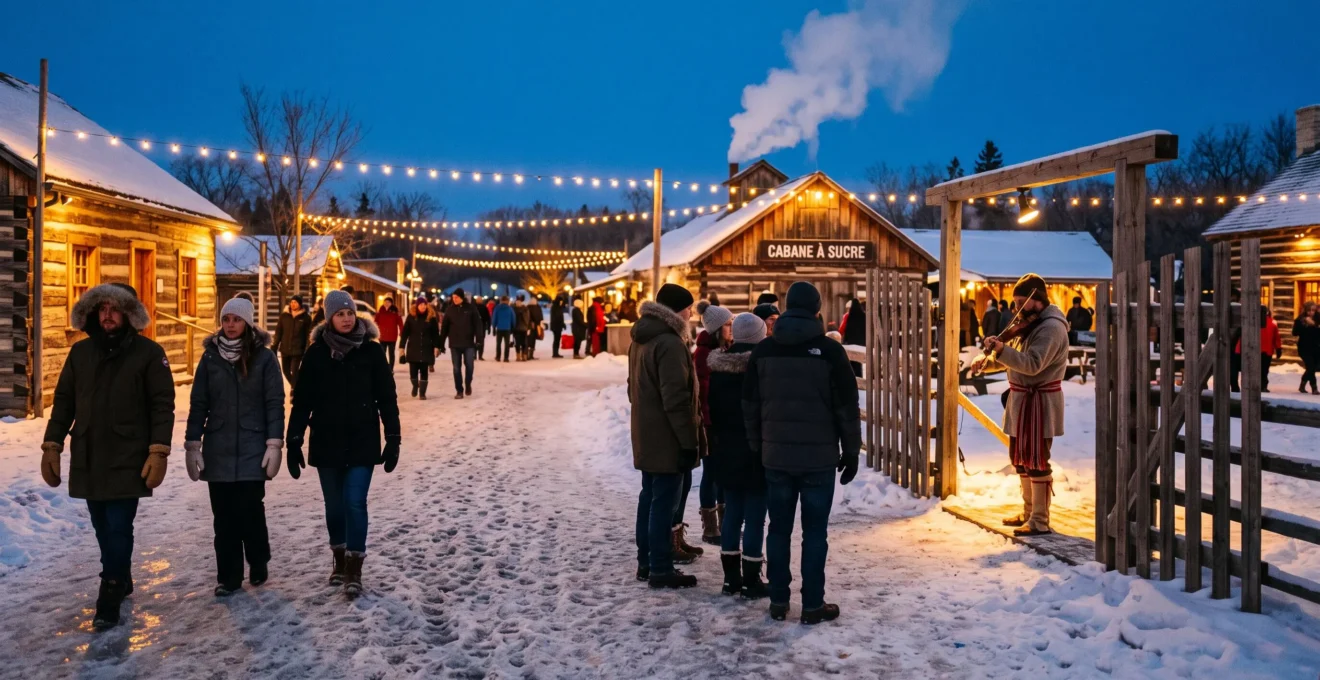
Festival du Voyageur offers much more than concerts, snow sculptures and a lively winter atmosphere. Rooted in Winnipeg’s Saint-Boniface neighbourhood, it brings together Franco-Manitoban cultural traditions, historical interpretation, music, food and community celebrations. Experiencing these different dimensions reveals why the festival holds a distinctive place in Manitoba’s cultural calendar.
A rewarding visit starts with curiosity rather than a crowded itinerary. Listening to traditional music, exploring voyageur history, speaking with cultural interpreters and discovering seasonal food traditions can provide a richer experience than moving quickly between headline attractions.
Winnipeg’s winter conditions also shape the experience. Clothing, transportation, warming breaks and the timing of activities all deserve attention. Whether visiting with children, exploring local heritage or planning an evening of performances, choosing a few complementary experiences makes it easier to appreciate the festival without rushing through the cold.
Festival du Voyageur: What to Know Before Visiting
- The festival celebrates Franco-Manitoban identity and voyageur heritage, making historical activities and community traditions central to the experience.
- Daytime visits generally suit heritage exploration and family activities, while evening programming offers a stronger focus on performances and social gatherings.
- Check the current schedule, dress for wind chill and plan warming breaks before committing to a full day outdoors.
- Why Is Festival du Voyageur More Than a Winter Celebration?
- How Can First-Time Visitors Prepare for Festival du Voyageur in Winnipeg Winter?
- Daytime or Evening: Which Festival du Voyageur Experience Fits Your Visit?
- Festival du Voyageur Mistakes That Can Make a Winter Visit Less Enjoyable
- When Should You Plan Your Festival du Voyageur Visit to Avoid Missing Key Events?
- When Should You Book or Plan for Winnipeg’s Most Popular Cultural Events?
- Air Temperature or Wind Chill: Which Matters More for Winnipeg Outdoor Plans?
- How Can You Explore The Forks Beyond Its Most Familiar Winnipeg Attractions?
Why Is Festival du Voyageur More Than a Winter Celebration?
Festival du Voyageur is more than a winter celebration because it expresses the history, language and cultural identity of Manitoba’s Francophone community. Its combination of traditional music, historical interpretation, food and community participation connects contemporary Winnipeg with the voyageur heritage associated with the region’s fur-trade past.
The festival’s origins help explain that identity. According to the official Festival du Voyageur history page, the first festival took place in 1970, following initiatives by members of the Saint-Boniface community. It developed as a celebration of Manitoba’s Francophone heritage and the historical traditions of the voyageurs.
That community foundation distinguishes the event from a winter carnival built primarily around seasonal entertainment. French-language performances, traditional music and opportunities to encounter local cultural practices give visitors ways to engage with the living culture of Saint-Boniface.
The voyageur theme also provides a historical lens. Voyageurs were associated with canoe-based transportation and the fur trade, and their legacy forms part of the broader story of exchange, movement and settlement in the region. Historical interpretation connected with Fort Gibraltar offers opportunities to explore aspects of that past through a setting designed for learning rather than entertainment alone.
This history should be approached thoughtfully. Voyageur and fur-trade stories form only part of Manitoba’s history, which also includes Indigenous peoples and their longstanding relationships with the land and waterways. Visitors should distinguish historical interpretation from the complete history of the region and engage with Indigenous perspectives when appropriate programming is available.
Music and food become more meaningful when placed in this cultural context. Traditional fiddle performances, dances and regional dishes are not simply attractions to consume. They offer opportunities to learn how cultural practices have been maintained, adapted and shared.
A useful approach is to choose at least one activity involving direct interaction: a historical interpretation session, a cultural demonstration or a conversation with a participating artisan. These experiences can reveal details that are easy to miss during a concert-focused visit.
With that perspective, the next challenge is practical: preparing to spend enough time in Winnipeg’s winter weather to enjoy those cultural experiences comfortably.
How Can First-Time Visitors Prepare for Festival du Voyageur in Winnipeg Winter?
First-time visitors should prepare for Festival du Voyageur by checking the daily program, studying the current venue map, dressing for prolonged winter exposure and planning regular indoor breaks. Choosing a few priority activities before arriving makes the experience easier to navigate, especially when cold weather, crowds and travel between venues affect the day.
Winnipeg winter clothing needs to work during periods of limited movement, not just a short walk between buildings. Standing to watch an outdoor performance can feel considerably colder than walking at a steady pace.
A practical clothing system includes:
- Base layers: moisture-managing clothing that keeps perspiration away from the skin.
- Insulating layers: fleece, wool or another warm mid-layer appropriate to the forecast.
- Outer protection: a wind-resistant winter coat with adequate coverage.
- Footwear: insulated, slip-resistant boots with room for warm socks.
- Exposed-skin protection: mittens or insulated gloves, a toque and a scarf or face covering.
Footwear deserves particular attention. Snow-packed routes, icy patches and extended periods of standing can make ordinary urban shoes uncomfortable or unsafe.
Preparation also involves understanding the site. Festival programming can involve different locations and indoor or outdoor spaces. Before departure, confirm the current festival map, the locations of planned performances and the availability of warming areas. Do not assume that every activity is accessible through the same entrance or included with every admission option.
Transportation deserves a separate decision. Saint-Boniface may be busy during popular festival periods, and parking availability can vary. Compare the current event transportation information with Winnipeg Transit options and allow additional travel time when the weather is difficult.
Rather than attempting every attraction, identify a primary interest. Visitors focused on heritage might organize their schedule around historical interpretation, while music enthusiasts can prioritize performances and fit food or cultural activities into the remaining time.
Five Steps to Prepare Your Festival Visit
- Check the current official program and save the dates and times of three priority activities in a personal itinerary.
- Review the venue map and mark the relevant entrances, activity locations and available warming spaces.
- Check the updated temperature and wind-chill forecast, then prepare a clothing checklist covering every exposed area.
- Choose a transportation option and save the route, departure time and any relevant parking information.
- Prepare a flexible visit schedule containing planned activities, a meal break and at least two opportunities to warm up indoors.
Once the essentials are covered, deciding between daytime and evening programming becomes the most useful way to shape the character of the visit.
Daytime or Evening: Which Festival du Voyageur Experience Fits Your Visit?
Daytime at Festival du Voyageur generally suits visitors interested in heritage activities, family experiences and exploring the site at a relaxed pace. Evening visits place greater emphasis on live entertainment, illuminated winter surroundings and social gatherings. The better choice depends on the published program, the visitor’s interests and their tolerance for cold and crowds.
During the day, historical interpretation and participatory programming can be easier to fit into a broader exploration of the festival. Visitors may have opportunities to learn about traditional practices, discover food experiences and speak with people involved in cultural activities.
Evening changes the atmosphere. Illuminated buildings and snow-covered grounds create a different visual setting, while music and gathering spaces can become the main attraction. Visitors interested in concerts should compare the scheduled artists and venue access rather than assuming every evening offers the same experience.
A comparison based on visitor priorities makes the choice more practical.
| Visitor priority | Daytime | Evening |
|---|---|---|
| Families with younger children | Often easier for exploring and managing routines | Better for selected performances when appropriate |
| Historical interpretation | Prioritize scheduled tours and demonstrations | Check whether heritage activities remain available |
| Live music | Suitable for performances listed during the day | Often attractive for concert-oriented visits |
| Winter photography | Natural light for buildings and activities | Illuminated surroundings and night atmosphere |
| Social experience | Opportunities around food and activities | Potentially livelier gathering spaces |
These distinctions describe general planning tendencies rather than guaranteed daily schedules. A particular afternoon could feature an important concert, while an evening might include cultural programming that deserves attention.
For a visitor with limited time, a combined approach can work particularly well. Begin with historical activities or food experiences during daylight, schedule a substantial indoor break and return to outdoor areas for one selected evening performance.
Crowd density and noise also matter. A quieter session may make it easier to ask questions or participate in an activity, whereas a busy concert creates a more social but less conversational setting. Anyone seeking accessible or low-stimulation activities should verify the specific venue arrangements in advance.
Whichever period you choose, comfortable pacing is essential because a well-planned activity can quickly become less enjoyable when winter fatigue takes over.
Festival du Voyageur Mistakes That Can Make a Winter Visit Less Enjoyable
The most common avoidable festival problems involve inadequate winter clothing, unrealistic schedules, insufficient warming breaks and overlooking the cultural experiences beyond major performances. Visitors who manage their exposure to cold, allow time for food and rest, and include interactive activities are better positioned to enjoy Festival du Voyageur throughout their planned visit.
One important mistake is dressing for the walk from a vehicle to a building instead of several hours outdoors. Standing at an open-air performance provides little warmth through movement. Wind exposure, damp clothing and insufficient insulation can shorten an otherwise enjoyable visit.
Another is waiting until discomfort becomes significant before going indoors. Warming breaks should be planned activities, not last-resort measures. Check the locations and operating hours of suitable heated spaces, and adjust outdoor sessions according to actual conditions.
Trying to cover too much programming creates a different kind of problem. Walking between locations, waiting for activities and navigating snow or ice all consume time and energy. A tightly packed itinerary leaves little opportunity to appreciate anything unexpected.
Food and hydration can be overlooked as well. Cold weather may reduce the sensation of thirst even though the body continues to lose fluids. Carry or obtain water regularly, and plan meals that provide enough energy for the duration of the visit.
Traditional foods can contribute to the cultural experience. Maple taffy, pea soup and other dishes associated with French-Canadian traditions provide opportunities to explore food heritage alongside performances and historical activities. Actual vendors, menus and availability should always be checked for the relevant edition.
Perhaps the least obvious mistake is treating the festival exclusively as a place to take pictures. Snow sculptures and illuminated buildings are memorable, but they do not communicate the full significance of the celebration.
If listed in the current program, activities such as traditional dance instruction, guided historical interpretation or artisan demonstrations invite visitors to participate instead of simply observe. A short conversation with a knowledgeable interpreter may add more context than several hurried stops.
Visitors should also avoid assuming that every advertised attraction operates continuously. Some experiences may have fixed start times, capacity limits, separate admission requirements or weather-dependent changes.
The next step is choosing dates carefully, since the quality of a visit depends as much on what is scheduled as on how well a visitor prepares.
When Should You Plan Your Festival du Voyageur Visit to Avoid Missing Key Events?
Plan Festival du Voyageur around the specific activities you want to attend, not simply the most popular weekend. The festival traditionally takes place in February, but exact dates, daily schedules and admission arrangements must be confirmed for each edition. Reviewing the official program before selecting a visit day helps prevent missed performances and unavailable experiences.
Festival du Voyageur occupies a distinctive period in Winnipeg’s winter cultural calendar, when cold-weather activities are part of the city’s seasonal identity. Its February timing can make it a natural centrepiece for a winter visit to Manitoba.
However, a festival lasting several days does not necessarily offer identical programming throughout its run. Concert lineups, heritage demonstrations, food activities and family-oriented experiences may change from one day to another.
Opening periods can appeal to visitors seeking a celebratory atmosphere, while dates with fewer headline activities may suit those who prefer a more flexible pace. Final-weekend programming can be attractive when particular performances are scheduled, but potential crowds should be considered.
These are planning possibilities, not guarantees that any specific weekday will be quiet or that a weekend will be busy. Attendance depends on weather, programming and other circumstances.
A reliable approach is to build a personal schedule in three stages:
- Identify essential experiences. Select the performances, demonstrations or activities that would make the visit worthwhile.
- Check scheduling and access. Record the day, time, location and any admission or capacity requirements for each experience.
- Choose the least restrictive itinerary. Select the date that accommodates the most important activities while preserving time for travel, meals and warming breaks.
Activities with limited capacity or separate booking requirements deserve priority. Flexible attractions can then fill the gaps rather than determining the entire itinerary.
Check the program again shortly before travelling. Severe weather, operational changes or revised performance times can affect the day even after tickets and transportation have been arranged.
For visitors travelling to Winnipeg, date selection should also be coordinated with accommodation and other cultural attractions so that the festival fits naturally into the broader trip.
When Should You Book or Plan for Winnipeg’s Most Popular Cultural Events?
Winnipeg’s popular cultural events are easiest to plan when admission, accommodation and transportation are considered together. Activities with limited capacity should be reviewed first, followed by general-access experiences that offer more flexibility. For Festival du Voyageur, the right booking strategy depends on the current ticket structure, desired performances and length of stay.
Different cultural experiences have different scheduling requirements. A general-admission festival visit may allow visitors to explore multiple attractions, while a special performance, dinner or guided activity might require separate arrangements. Availability and booking conditions must be checked directly rather than inferred from previous editions.
For Festival du Voyageur, compare the admission options actually offered for the relevant year. Depending on the published ticket structure, visitors may need to evaluate single-day admission, broader festival access or eligible group and family arrangements.
The cheapest advertised option is not automatically the best value. A visitor planning multiple days should consider whether the selected admission provides access on all intended dates and whether additional charges apply to priority experiences.
Travellers should also coordinate accommodation with their event plans. Waiting until a popular festival period approaches can reduce lodging choices, although room prices and availability vary and cannot be predicted reliably without checking actual dates.
Festival du Voyageur can also be combined with other Winnipeg winter experiences. Potential additions include The Forks, museums, cultural venues and seasonal activities operating during the visit. Their schedules should be checked individually to avoid conflicts.
Instead of booking everything at once without a plan, establish the essential festival day first, then place complementary activities into the remaining time. This prevents a secondary attraction from forcing an inconvenient arrival or departure around a preferred concert.
Visitors planning several stops should allow extra time for winter transportation. Snow, ice, reduced visibility and extreme cold can affect walking conditions and travel reliability.
Even a carefully booked trip remains dependent on weather, making the distinction between temperature and wind chill especially important before spending long periods outdoors.
Air Temperature or Wind Chill: Which Matters More for Winnipeg Outdoor Plans?
Both air temperature and wind chill matter when planning outdoor activities in Winnipeg, but wind chill is especially useful for assessing exposure to cold and frostbite risk on uncovered skin. Wind removes heat from exposed skin more rapidly, making conditions feel colder than the thermometer reading. Actual risk also depends on clothing, exposure duration and activity.
Air temperature describes the thermal condition measured by a thermometer. Wind chill combines temperature and wind speed to express the cooling effect of moving air on exposed skin using an equivalent temperature scale.
Wind chill does not mean the air itself has reached a lower temperature. It describes how quickly exposed skin can lose heat under windy conditions. Clothing, shelter and physical movement all influence a person’s actual experience.
For a winter festival, this distinction matters because visitors frequently alternate between walking and standing. Walking may generate body heat, but standing still at an outdoor performance can make inadequate clothing much more noticeable.
Wind exposure can also vary across a site. Open areas may feel harsher than sheltered locations near buildings, even when the reported air temperature remains unchanged.
A sensible weather-planning method considers three factors together:
- Forecast conditions: check air temperature, wind chill, precipitation and relevant weather alerts.
- Activity pattern: distinguish active walking from extended periods standing outdoors.
- Available shelter: identify indoor warming spaces and adjust the itinerary when conditions deteriorate.
Winnipeg’s prairie climate can bring strong winds and substantial variations in perceived cold. A weekly average is therefore less useful than the updated forecast for the actual day and hours of attendance.
Wind chill should not be used as a universal countdown for safe outdoor exposure. Individual vulnerability, exposed skin, wet clothing and the severity of the weather can change the risk considerably. Visitors should follow official weather warnings and recognize signs of cold injury rather than relying on a fixed outdoor-session duration.
Children and anyone with particular cold-sensitivity needs may require more frequent breaks and additional protection. If conditions become unsafe, shortening or postponing outdoor activities is preferable to maintaining a rigid schedule.
These same precautions apply to other winter destinations in the city, including The Forks, where outdoor conditions influence skating, walking and seasonal recreation.
Key Takeaways for Extending Your Winnipeg Winter Visit
- Combine Festival du Voyageur with another heritage destination when the schedule allows, rather than filling every available hour with unrelated attractions.
- Balance outdoor exploration with accessible indoor options, especially when the forecast indicates difficult conditions.
- Verify winter activity availability on the day of the visit, since ice conditions and seasonal operations can change.
How Can You Explore The Forks Beyond Its Most Familiar Winnipeg Attractions?
Explore The Forks beyond its market and familiar gathering spaces by visiting its historic landscapes, learning about the meeting of the Red and Assiniboine rivers, and discovering seasonal outdoor activities. For Festival du Voyageur visitors, The Forks offers a complementary perspective on Winnipeg’s history, connecting the city’s waterways with broader stories of travel, trade and community life.
The Forks is located at the confluence of the Red and Assiniboine rivers in central Winnipeg. The area has deep historical importance as a meeting place and forms part of a much longer story than the fur-trade era alone.
The official The Forks National Historic Site activities information provides a starting point for exploring the site’s heritage and visitor experiences. It is especially useful for people who want to understand the place rather than simply pass through its commercial spaces.
The connection with Festival du Voyageur is cultural and geographical. Both destinations invite visitors to think about the importance of rivers, movement and exchange in Manitoba’s history. The festival emphasizes Franco-Manitoban celebration and voyageur traditions, while The Forks offers a broader historical landscape connected to Indigenous presence, trade and the development of Winnipeg.
Winter adds another dimension. Depending on current conditions, visitors may find skating opportunities, maintained outdoor recreation areas or seasonal installations. The official The Forks Winter Park information describes winter activities, including skating trails.
River-based skating requires particular caution. Trails are not available simply because a river appears frozen. Use only officially designated and open surfaces, and check current operating information before bringing skates.
A combined itinerary can begin with a daytime visit to The Forks, focusing on historic interpretation and available winter activities. An indoor meal or warming break can separate that outing from an afternoon or evening at Festival du Voyageur.
Alternatively, visitors whose priority is festival heritage programming can spend their main day in Saint-Boniface and reserve The Forks for a separate half-day. This reduces pressure to travel between locations while maintaining enough time to explore both.
On particularly cold days, the combination of outdoor historic landscapes and available indoor facilities offers flexibility. Visitors should confirm individual opening hours, activity conditions and transportation arrangements rather than assuming every attraction follows the same winter schedule.
The value of combining these destinations is not simply seeing more of Winnipeg. It is recognizing how different places communicate related but distinct aspects of the region’s history.
Choose one festival activity that offers direct cultural engagement and one experience at The Forks that deepens your understanding of the city’s history. Check both schedules and the weather, then leave enough unstructured time to enjoy what you discover along the way.
Can visitors enjoy Festival du Voyageur without speaking French?
Yes. Festival du Voyageur celebrates Francophone culture in a bilingual Manitoba setting, and visitors do not need to speak French to appreciate its music, food, historic surroundings and many cultural experiences. However, the language used for individual performances or guided activities can vary, so check the specific program when language accessibility matters.
Is Festival du Voyageur suitable for visitors who are not interested in concerts?
Yes. Historical interpretation, community traditions, seasonal food and participatory cultural activities can provide a rewarding experience independently of headline concerts. The available options depend on the edition and daily schedule, so visitors should identify heritage-focused activities before selecting admission.
Can Festival du Voyageur be enjoyable during extreme winter cold?
Cold conditions do not automatically prevent an enjoyable visit, but the itinerary must match the weather and individual needs. Proper insulation, protection from wind, indoor warming breaks and shorter outdoor sessions can help. When warnings or conditions indicate unsafe exposure, visitors should change their plans rather than continue outdoors.
Do historical activities at Festival du Voyageur require separate tickets?
Admission arrangements depend on the current festival program. Some activities may be included with general admission, while particular experiences can have separate conditions or capacity limits. Visitors should confirm the ticket description and individual activity requirements before purchasing.
Is it practical to combine Festival du Voyageur and The Forks in one day?
It can be practical when the selected festival activities leave enough time for transportation, meals and rest. A shorter visit to The Forks followed by a scheduled festival experience may work better than trying to explore both destinations completely. Winter weather, attraction hours and available skating conditions should determine the final plan.